Introduction by Valentina Quinto
Opening remarks at the private view of “Rhythms of the Unseen”, RespirArt Gallery
Italiano
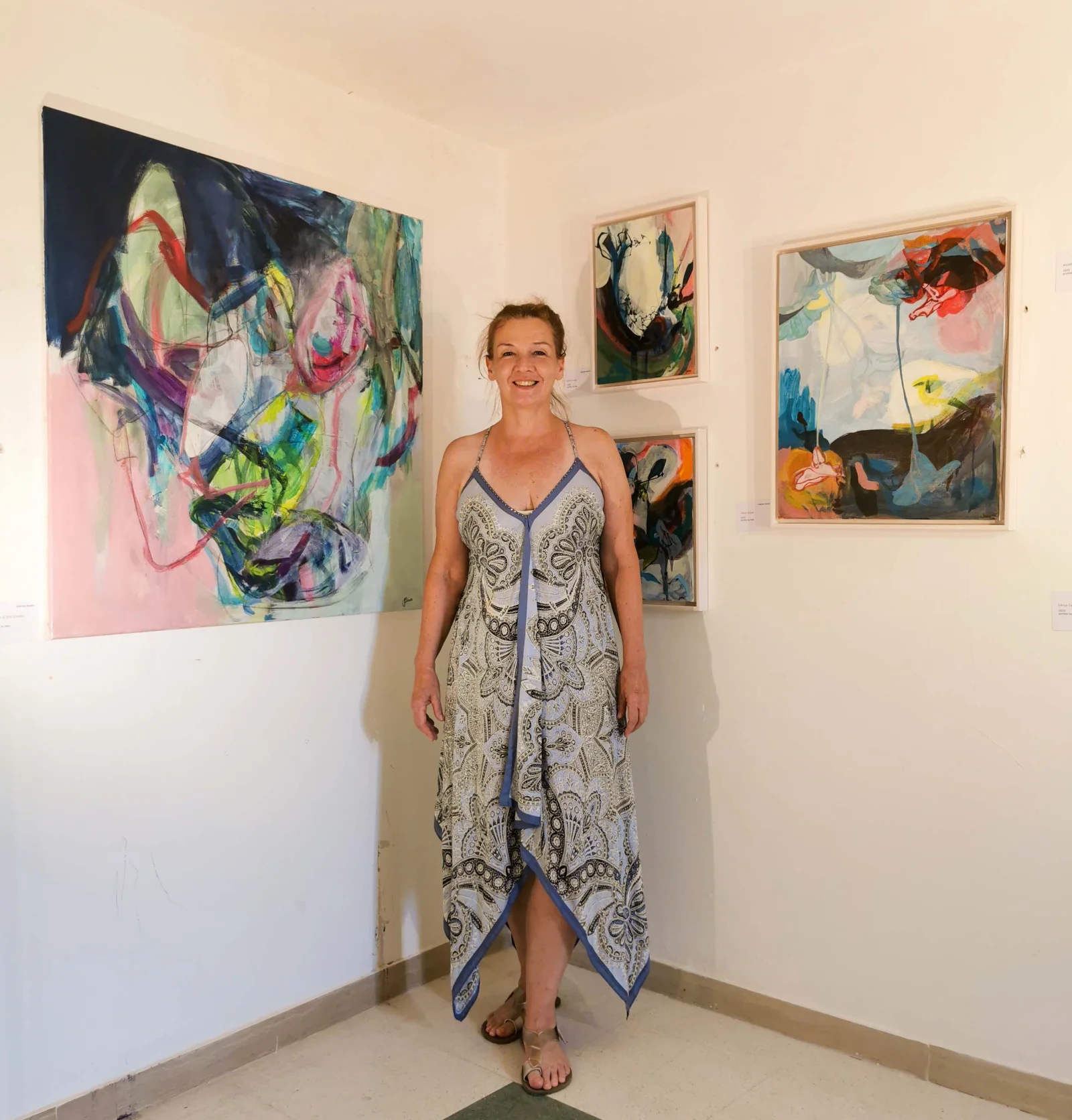
Ho avuto il piacere di conoscere Joanna proprio in occasione di un vernissage organizzato qui alla RespirArt Gallery e quando ci siamo rincontrate, tempo dopo, è stata un’occasione per vedere la sua produzione artistica e anche parlare dei nostri interessi ed esperienze. I quadri di Joanna mi hanno colpito subito: in quel momento con l’associazione donneinalba, di cui faccio parte, stavamo organizzando un incontro letterario su Emily Dickinson e ho trovato una connessione inaspettata ma chiara tra le due: la natura e i suoi simboli; ho trovato interessante anche l’ispirazione che sta dietro alle sue opere. Ma su questo torneremo poi.
Joanna Austin è un’artista a tutto tondo: pittrice e ceramista con delle incursioni nella video arte. Vive a Nereto da due anni ma è originaria di Bromley, nei pressi di Londra.
Ha conseguito una laurea e un dottorato in fisica all’Imperial College di Londra e per quanto l’associazione non possa sembrare immediata, questi studi restano fondamentali nello sviluppo della sua arte e per l’uso di appositi strumenti di lavoro.
Ancora prima della fisica, l’arte aveva già trovato un posto nei suoi interessi quando andava scuola e, dopo gli anni dedicati alle scienze, è tornata alla sua passione originaria e presto ha conseguito una laurea in Belle Arti alla Hertfordshire University. Si può parlare qui di un ritorno alle radici, a qualcosa che viene da dentro, poiché la pittura si è manifestata come una necessità, un bisogno: uno strumento di conoscenza di sé e del mondo.
Questo si nota in modo particolare nel processo creativo di Joanna, in cui l’oggetto dell’arte rivela sé stesso passaggio dopo passaggio, mentre l’artista si lascia guidare e stupire, in un work in progress naturale.
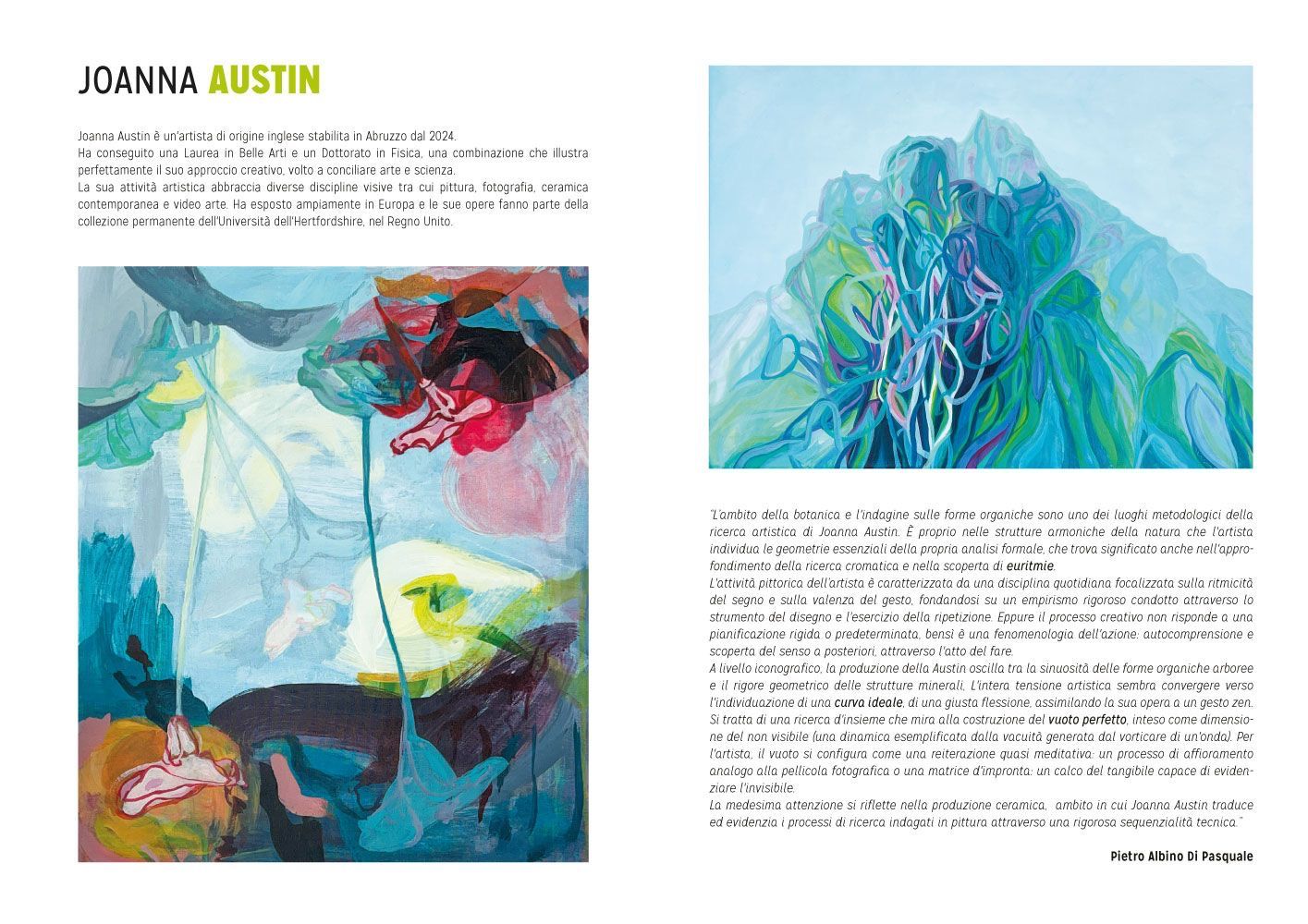
Il processo creativo inizia sempre con il disegno en plein air: sono i piccoli elementi della natura che catturano l’attenzione dell’artista – un fiore, un frutto – e che poi vengono portati in studio e rielaborati in forme nuove ed essenziali. Per citare Emily Dickinson – come ho detto all’inizio molti sono i punti di contatto tra le due – Joanna dice la verità ma in modo obliquo: non tramite un realismo pedante ma tramite quello che potrebbe definirsi un “naturalismo astratto”, in cui le forme della natura sono visibili ma re-interpretate. In effetti con la parola “astratto” non viene fatta troppa giustizia all’inglese “abstracted”, che indica più precisamente una cosa resa astratta, a indicare un’intenzione; si tratta di un vero e proprio atto di astrazione nel senso filosofico: separare le caratteristiche di un oggetto concreto per considerarlo in modo universale.
L’ispirazione più grande di Joanna è chiaramente la natura, ma non solo: anche il mondo umano, in particolare il mito, che ci riporta alla primordiale connessione dell’uomo con la natura.
Una volta in studio, Joanna ama creare atmosfera con della musica, che poi spegne per restare in silenzio. Lo studio svolge un ruolo fondamentale per l’artista, come uno spazio fisico e mentale tutto per sé e il lavoro che fa qui è essenziale.
Sulla tela l’artista compie poi tutto un lavoro di prospettive e colori in un processo che lei definisce “ciclico”, dove disegno e pittura si alternano in modo spontaneo, in cui il controllo dell’artista è contenuto. Per dirla con le parole di Joanna “Il dipinto diventa come vuole”. Naturalmente questo non deve indurci a pensare che ci sia una totale mancanza di studio dietro la sua arte, tutt’altro: la ricerca, nel tempo, dei colori e delle forme si può riscontrare nella coerenza dei quadri di Joanna – è ravvisabile un filo conduttore tra tutta la sua produzione e una certa riconoscibilità.
Questo filo conduttore si può notare anche nelle ceramiche di Joanna che, traendo esse stesse ispirazione dalla natura, ne impersonificano i segni con la stessa fluidità dei quadri. Nelle ceramiche si capisce in modo ancora più spiccato come l’artista sia riuscita a intrecciare le sue conoscenze scientifiche e artistiche, creando prodotti unici. Grazie alle sue competenze in campo fisico e della programmazione, Joanna crea al computer delle forme originali che poi stampa in 3D. In queste forme fa prima colare la pittura e poi la ceramica e quello che ne viene fuori è lo stesso, spontaneo risultato che sorprende di volta in volta proprio perché non calcolato a priori.
Ho chiesto a Joanna cosa volesse comunicare con la sua arte in chi la guarda. La sua risposta è stata molto schietta: voglio che le persone provino qualcosa – che sia amore, odio, persino noia o rifiuto. Non ci sono giusto o sbagliato, c’è solo lo spettatore con la propria prospettiva, con le proprie emozioni e con il proprio bagaglio culturale che darà il proprio personale senso all’opera.
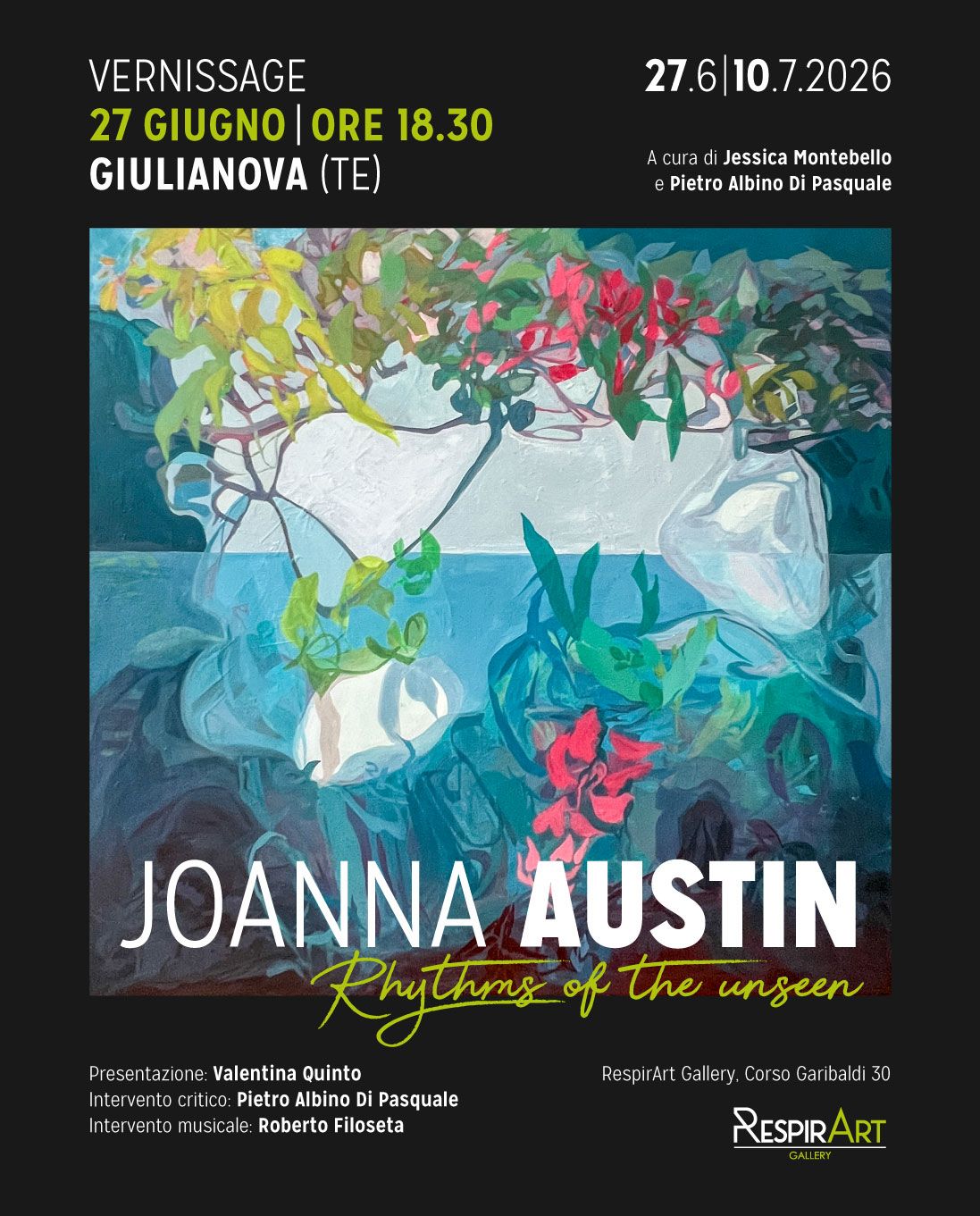
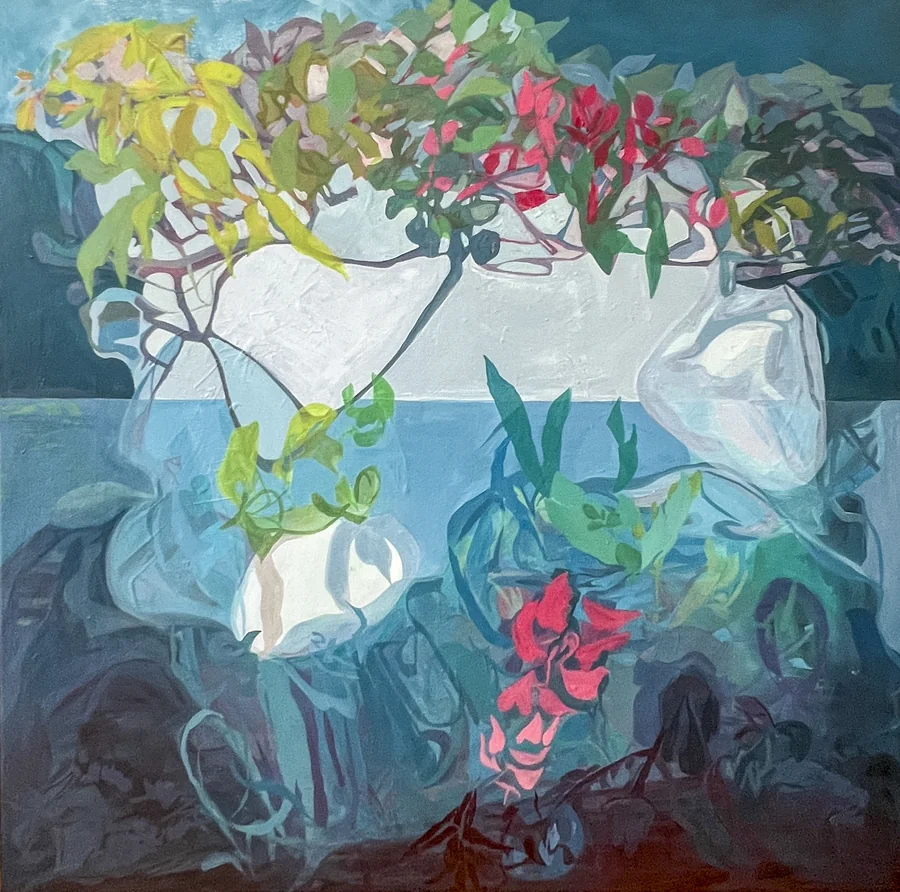
L’esposizione che potete ammirare stasera e nelle prossime settimane ha titolo “Rhythms of the unseen” che racchiude un po’ la poetica di Joanna. Letteralmente in italiano “I ritmi dell’invisibile”, ma anche qui la traduzione non ci aiuta davvero a capire. Più che invisibile, si tratta di qualcosa di nascosto, di non visto; e la capacità dell’artista sta proprio in questo: nel cogliere quei particolari che non si vedono ma che ci sono e, nel farlo, scandirne i ritmi.
Vi lascio all’intervento di Pietro Albino Di Pasquale e alle opere di Joanna Austin.
English translation
I had the pleasure of meeting Joanna at a vernissage organised here at RespirArt Gallery, and when we met again some time later it was an occasion to see her artistic production and to talk about our respective interests and experiences. Joanna’s paintings struck me immediately: at that time, with the association donneinalba, of which I am a member, we were organising a literary meeting on Emily Dickinson, and I found an unexpected but clear connection between the two: nature and its symbols. I also found the inspiration behind her works interesting — but we will come back to this.
Joanna Austin is a well-rounded artist: painter and ceramist, with forays into video art. She has lived in Nereto for two years but is originally from Bromley, near London.
She holds a degree and a doctorate in physics from Imperial College London, and although the association may not seem immediate, these studies remain fundamental to the development of her art and to her use of particular working tools.
Even before physics, art had already found a place in her interests during her school years, and after the years devoted to science she returned to her original passion, soon obtaining a degree in Fine Arts at Hertfordshire University. We can speak here of a return to her roots, to something that comes from within, since painting manifested itself as a necessity, a need: an instrument for knowing oneself and the world.
This is particularly evident in Joanna’s creative process, in which the object of the art reveals itself step by step, while the artist allows herself to be guided and surprised, in a natural work in progress.
The creative process always begins with drawing en plein air: it is the small elements of nature that capture the artist’s attention — a flower, a fruit — which are then brought into the studio and reworked into new and essential forms. To quote Emily Dickinson — as I said at the beginning, there are many points of contact between the two — Joanna tells the truth but tells it slant: not through a pedantic realism but through what could be called an “abstract naturalism,” in which the forms of nature remain visible but are reinterpreted. In fact, the Italian word “astratto” does not do full justice to the English “abstracted,” which more precisely indicates something that has been rendered abstract — suggesting an intention; it is a true act of abstraction in the philosophical sense: separating the characteristics of a concrete object in order to consider it in a universal way.
Joanna’s greatest inspiration is clearly nature, but not only nature: also the human world, and in particular myth, which brings us back to humanity’s primordial connection with nature.
Once in the studio, Joanna likes to create atmosphere with music, which she then switches off in order to remain in silence. The studio plays a fundamental role for the artist, as a physical and mental space entirely her own, and the work she does there is essential.
On the canvas she then carries out a whole exploration of perspectives and colours in a process she defines as “cyclical,” in which drawing and painting alternate spontaneously, and in which the artist’s control is restrained. In Joanna’s own words: “The painting becomes whatever it wants.” Naturally, this should not lead us to think that there is a total lack of study behind her art — quite the opposite: the search, over time, for colours and forms can be seen in the coherence of Joanna’s paintings; a common thread runs through her entire production, together with a certain recognisability.
This common thread can also be found in Joanna’s ceramics which, themselves drawing inspiration from nature, embody its signs with the same fluidity as the paintings. In the ceramics it becomes even more apparent how the artist has managed to interweave her scientific and artistic knowledge, creating unique pieces. Thanks to her expertise in physics and programming, Joanna creates original forms on the computer which she then prints in 3D. Into these forms she first pours paint and then ceramic slip, and what emerges is that same spontaneous result that surprises time after time, precisely because it is not calculated in advance.
I asked Joanna what she wanted to communicate through her art to those who look at it. Her answer was very frank: I want people to feel something — whether it be love, hatred, even boredom or rejection. There is no right or wrong; there is only the viewer, with their own perspective, their own emotions and their own cultural background, who will give the work their own personal meaning.
The exhibition you can admire this evening and in the coming weeks is titled “Rhythms of the Unseen,” which somewhat encapsulates Joanna’s poetics. Literally in Italian, “I ritmi dell’invisibile,” but here too the translation does not quite help us to understand. More than invisible, it is a matter of something hidden, of what is unseen; and the artist’s ability lies precisely in this: in grasping those particulars that are not seen but that are there, and, in doing so, in marking their rhythms.
I now leave you to Pietro Albino Di Pasquale’s address and to the works of Joanna Austin.
 Broken Waters
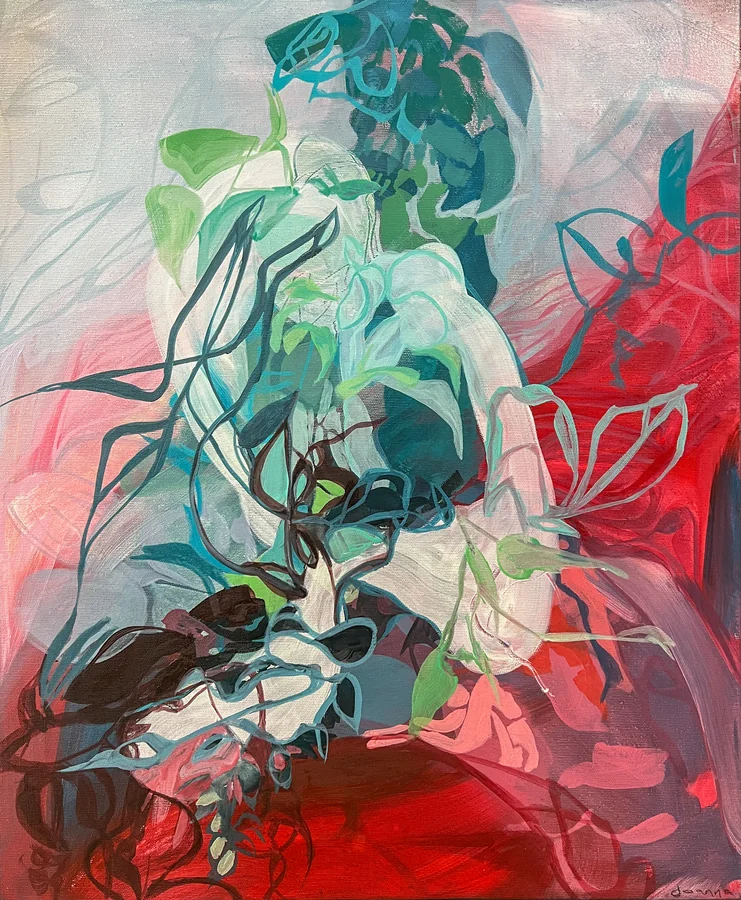 Efflorescence
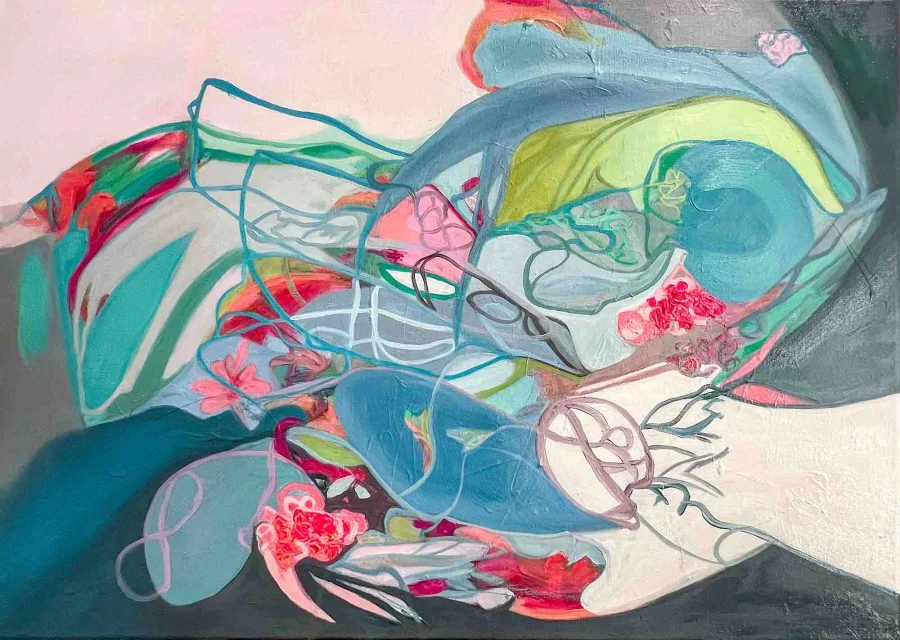 The Listening Garden
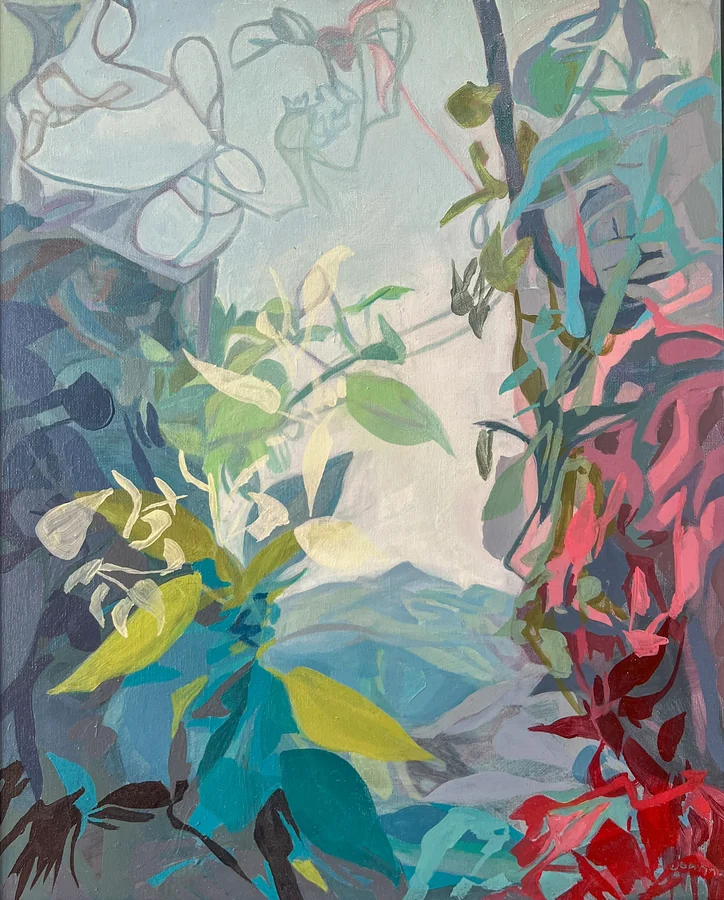 The Opening
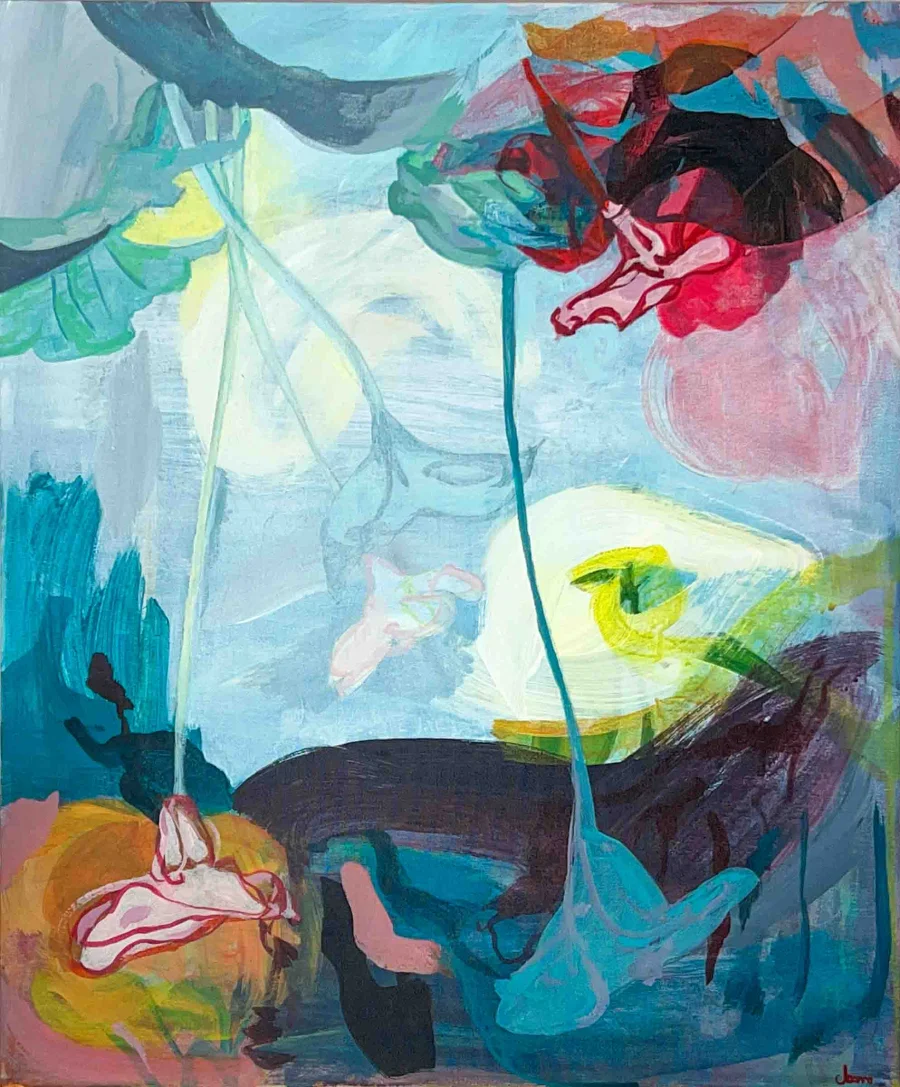 Lilium Album
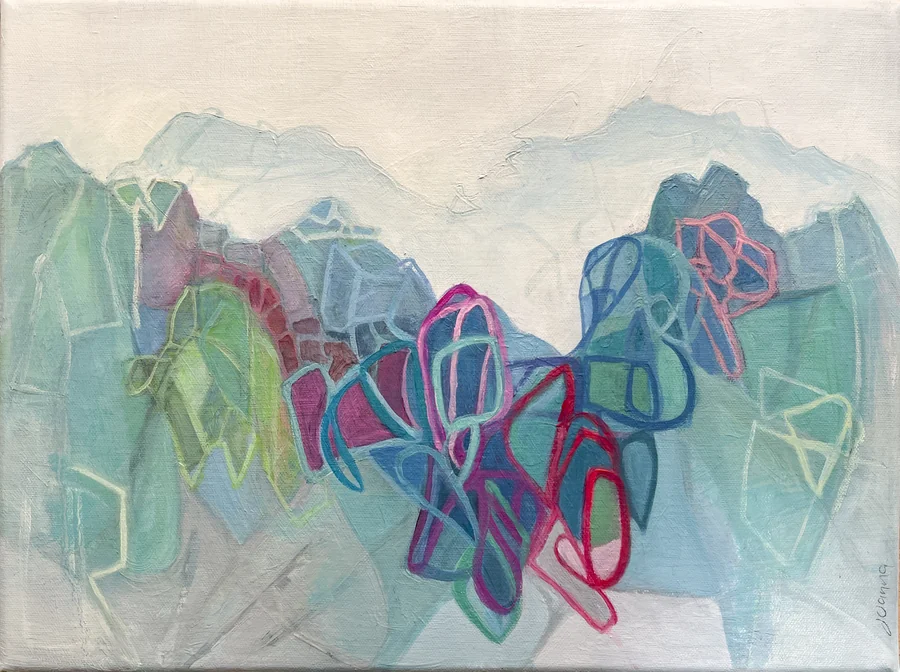 Rhythms of the Unseen
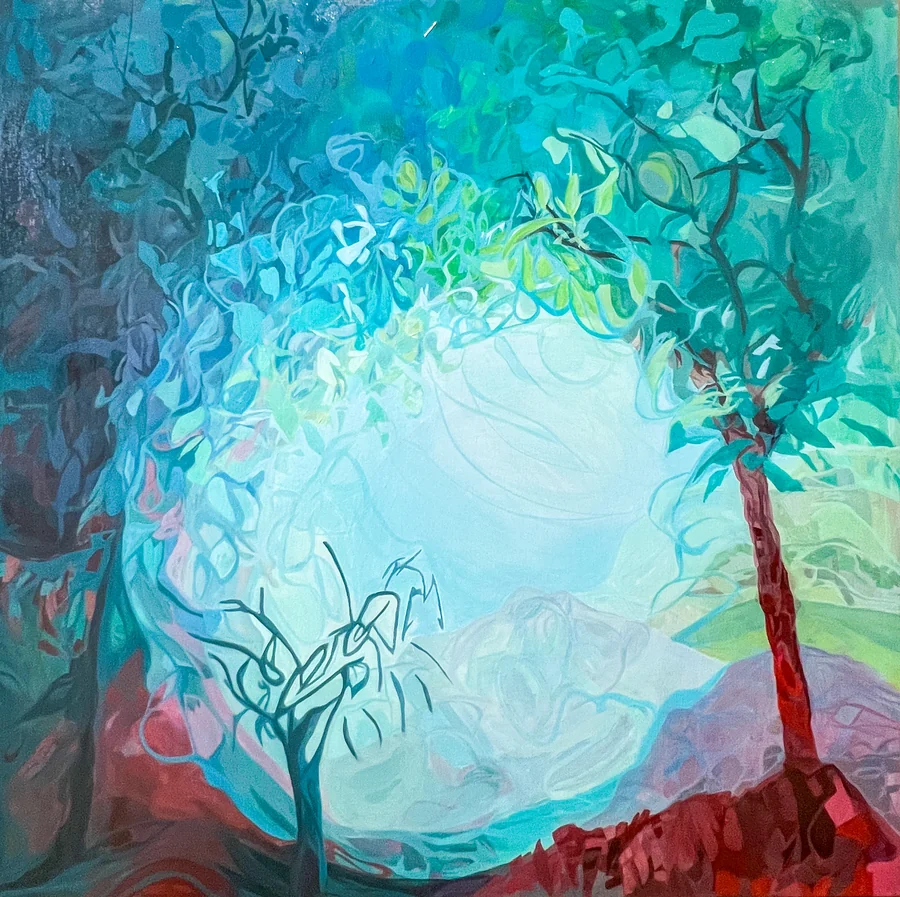 The Dawning
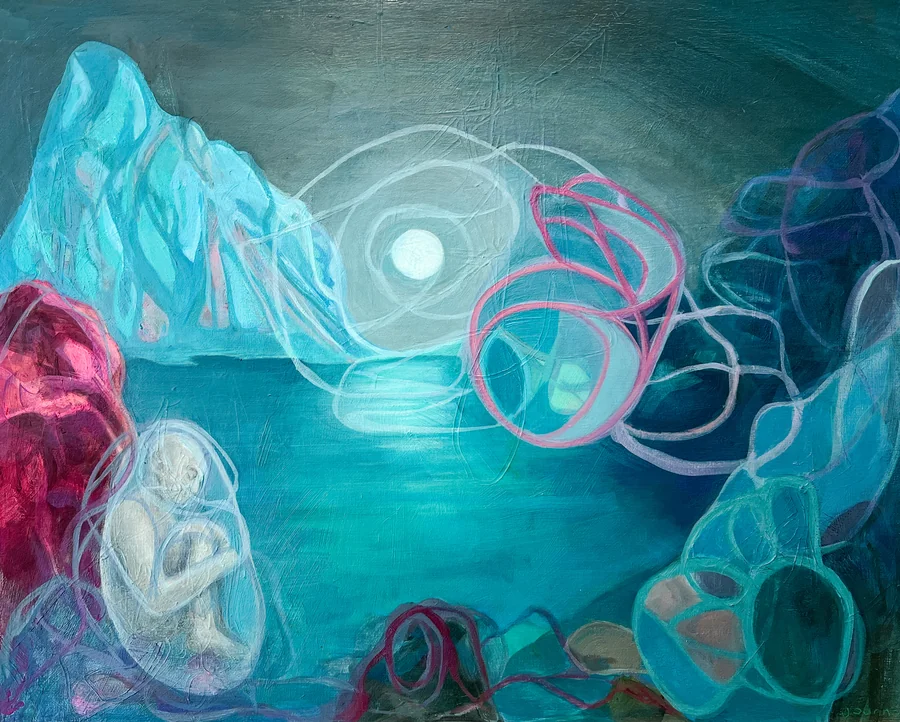 The First Waters
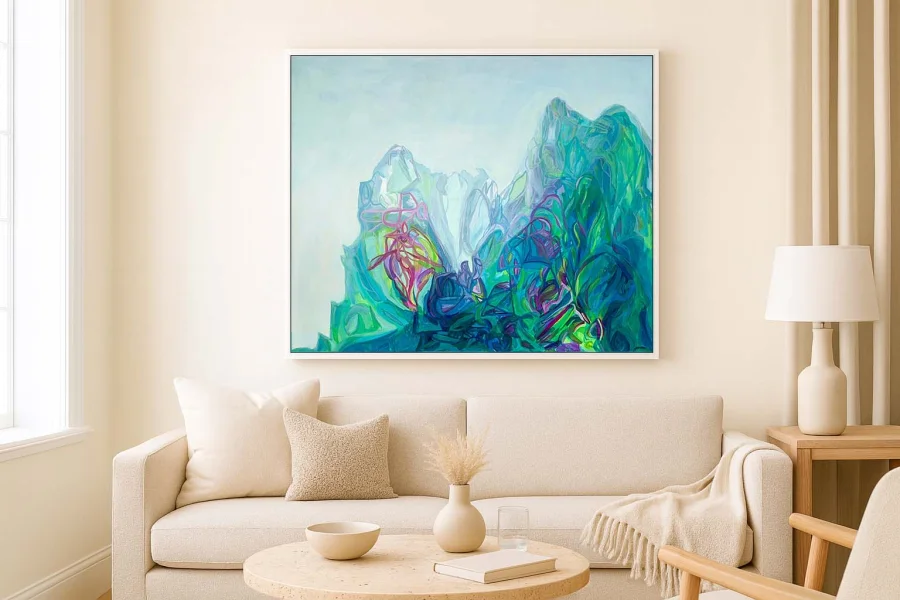 Mare Montanum
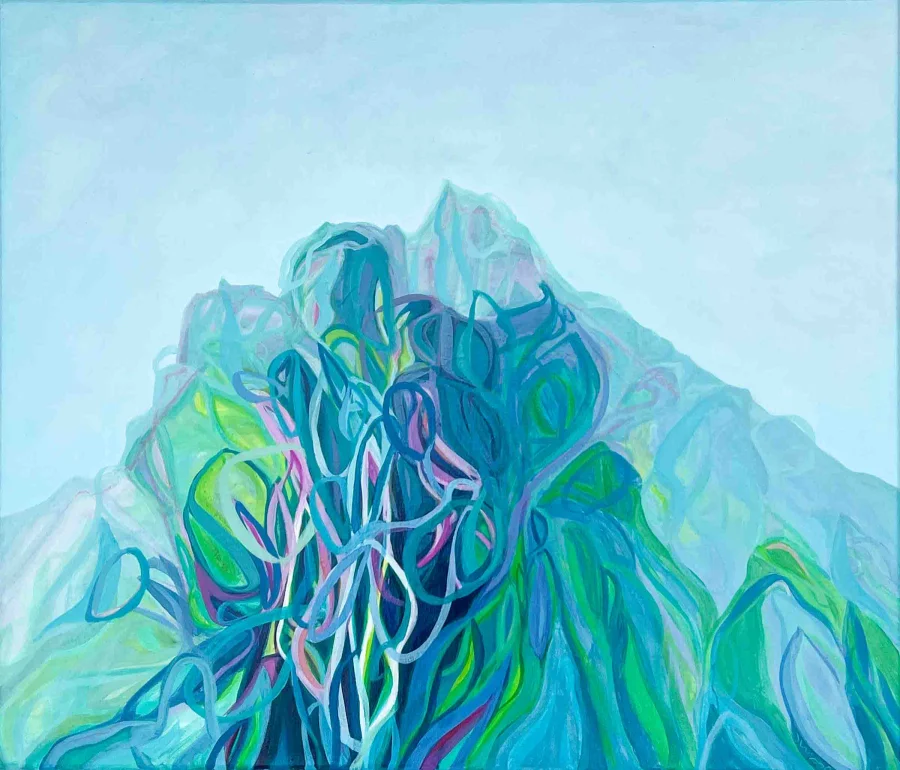 Intermesori Fluida
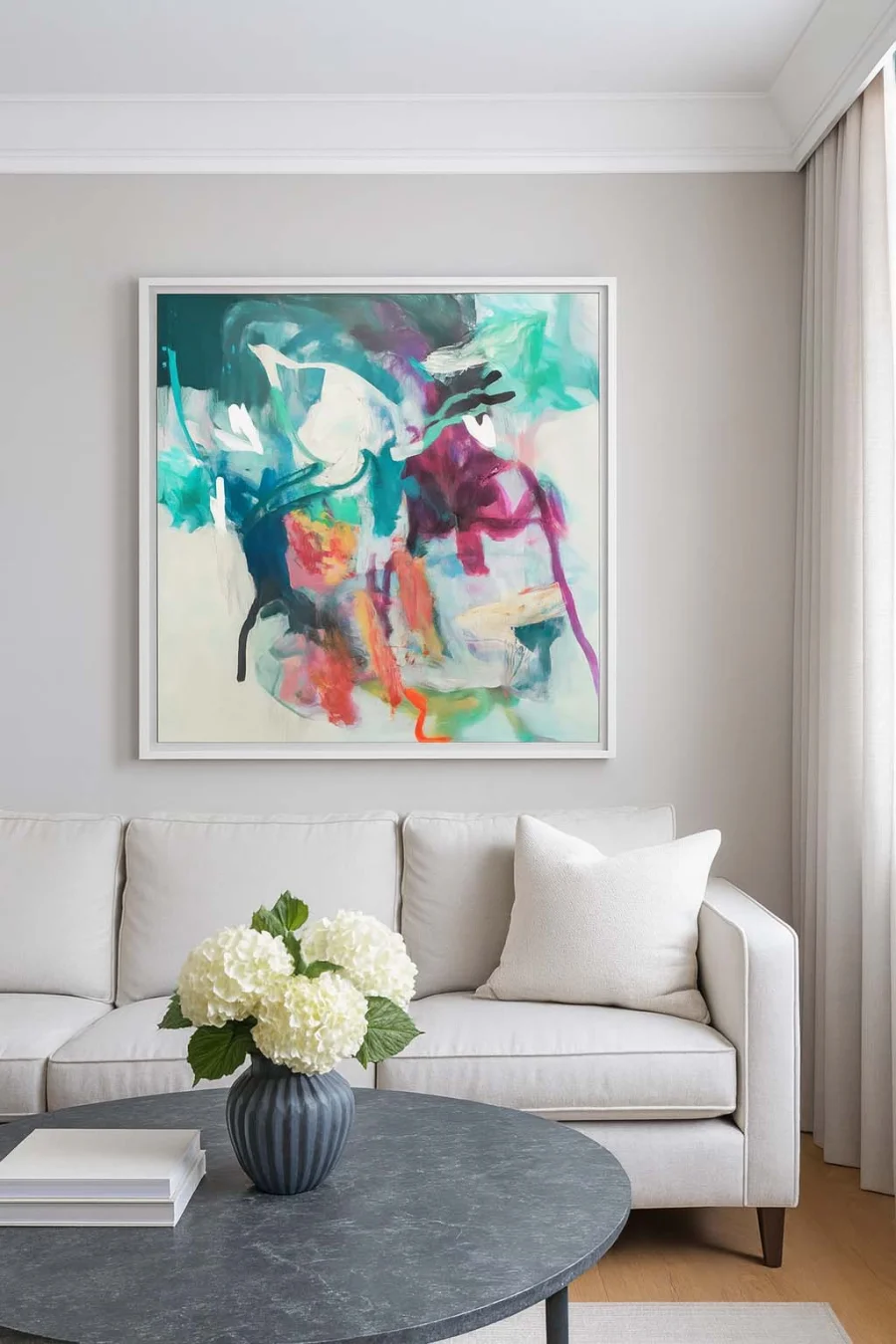 Samba Dell Albicocca
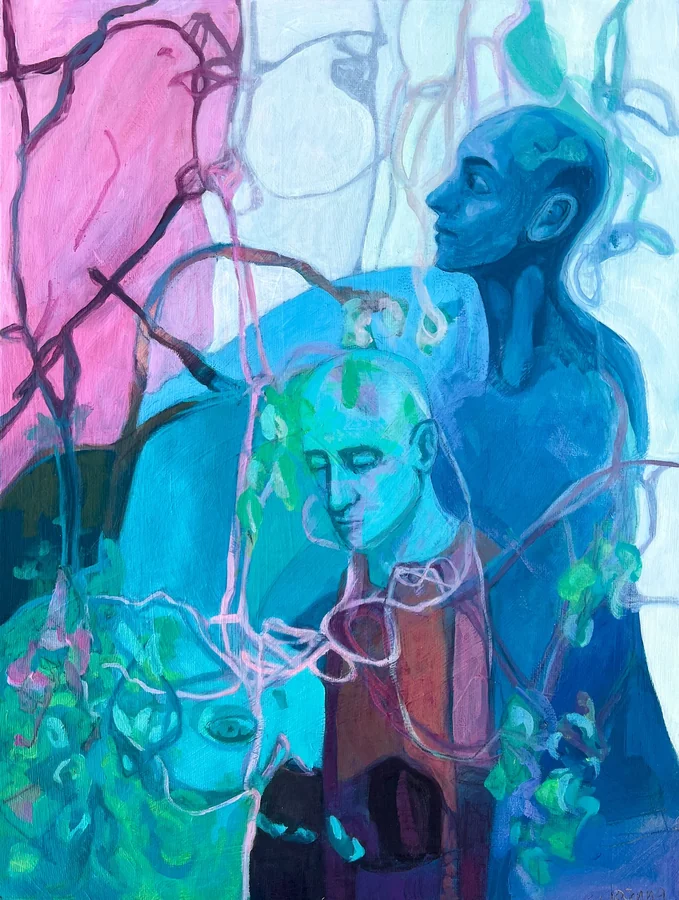 The Thread Between Us
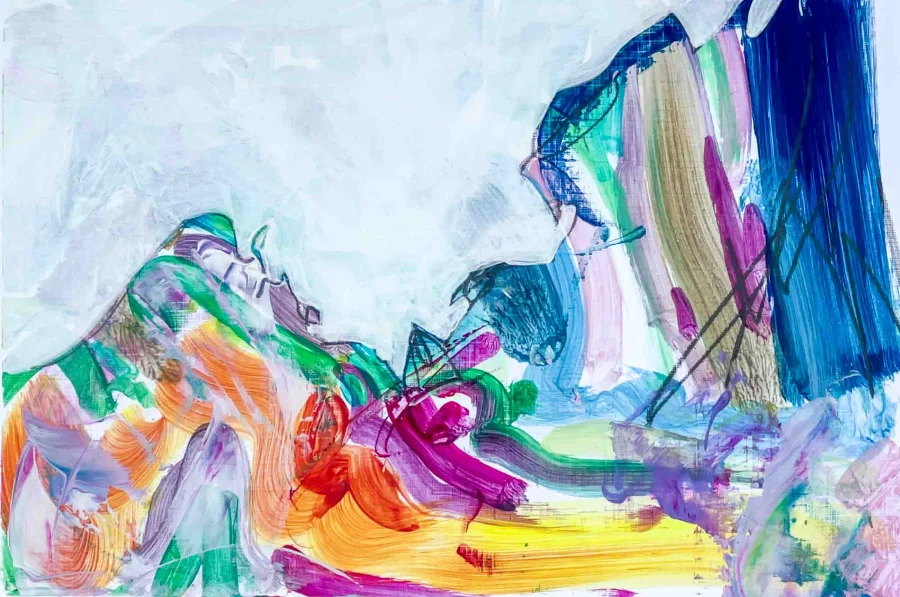 Gran Sasso Exuberans
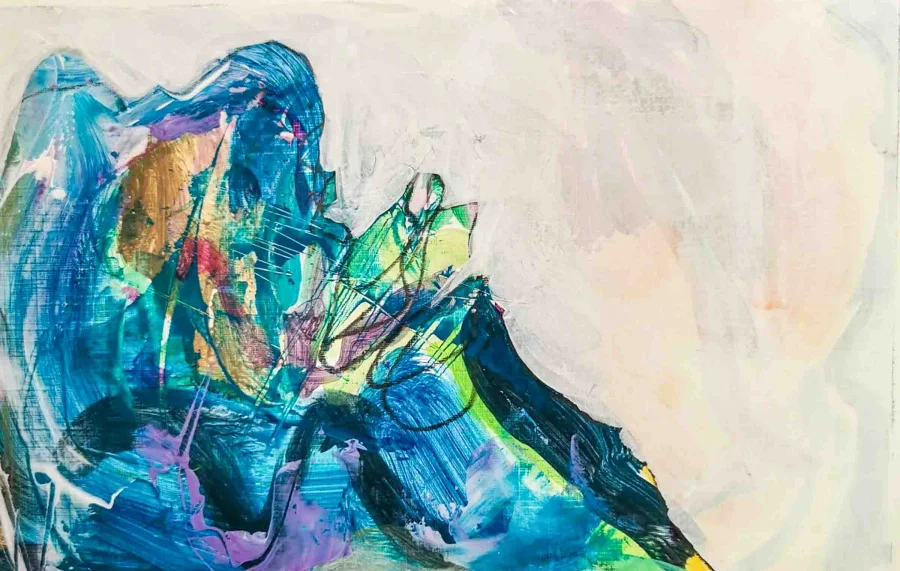 Gran Sasso
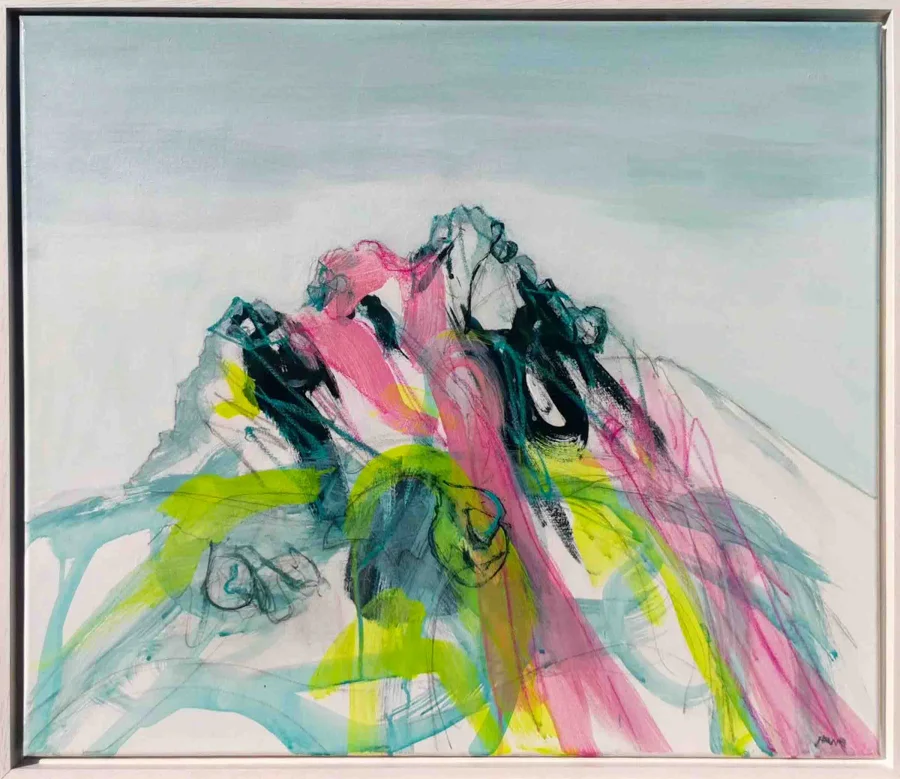 Monte Intermesori
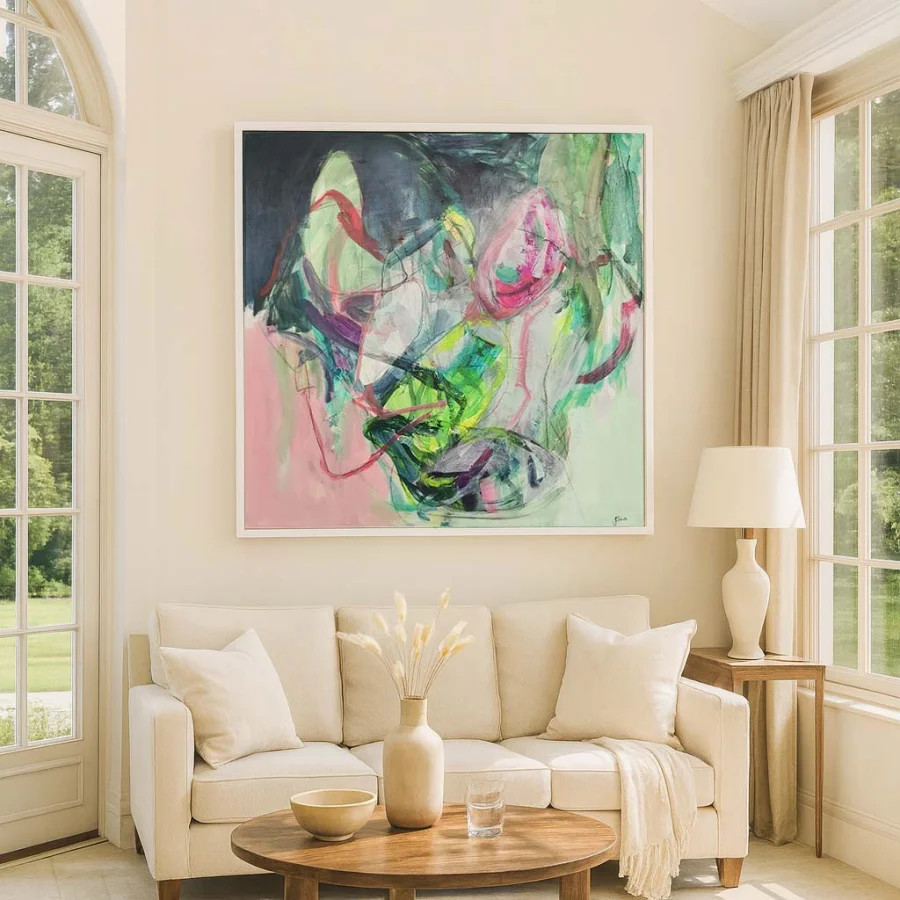 Rumba Di Fico D'India
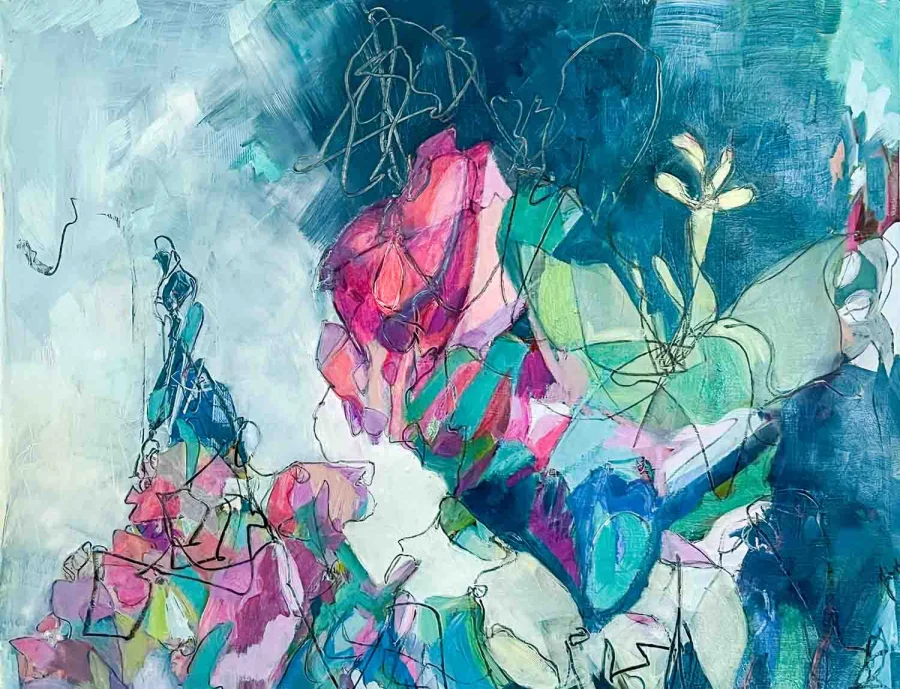 Free Landscape
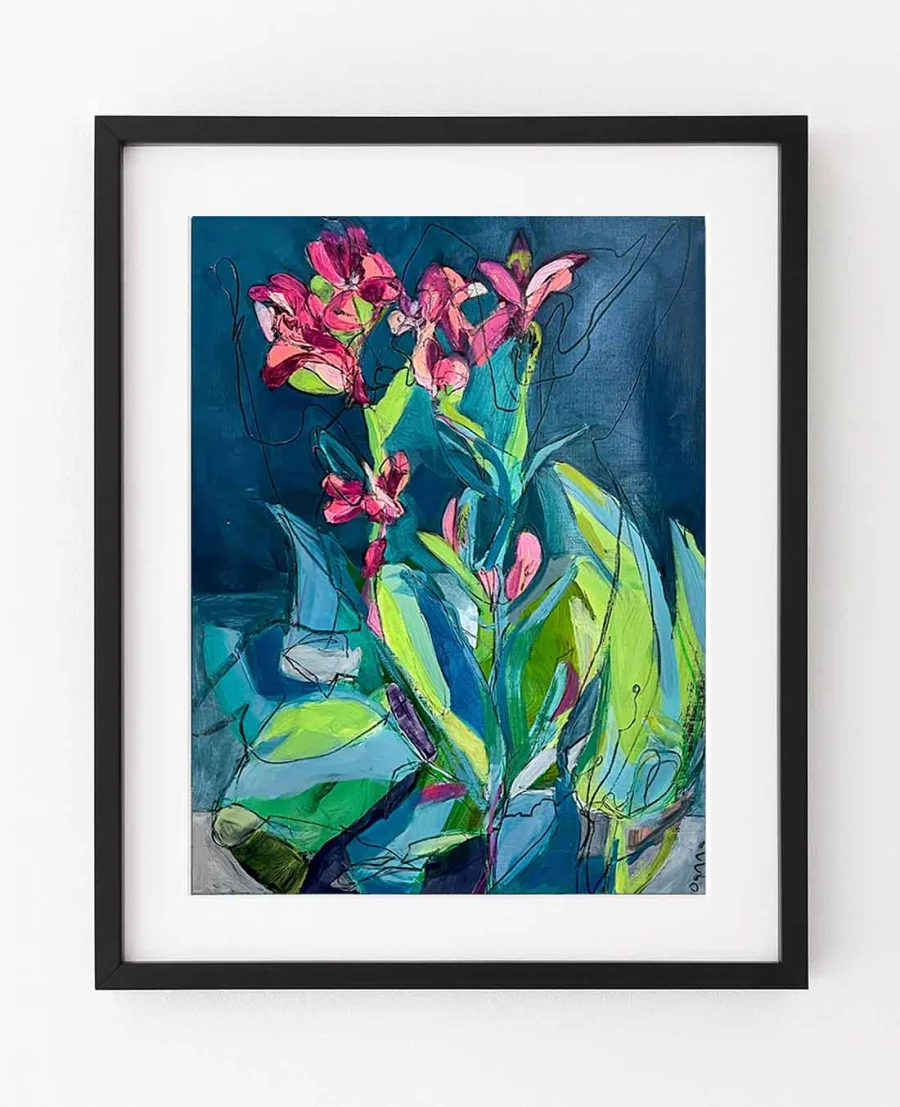 Canna 1
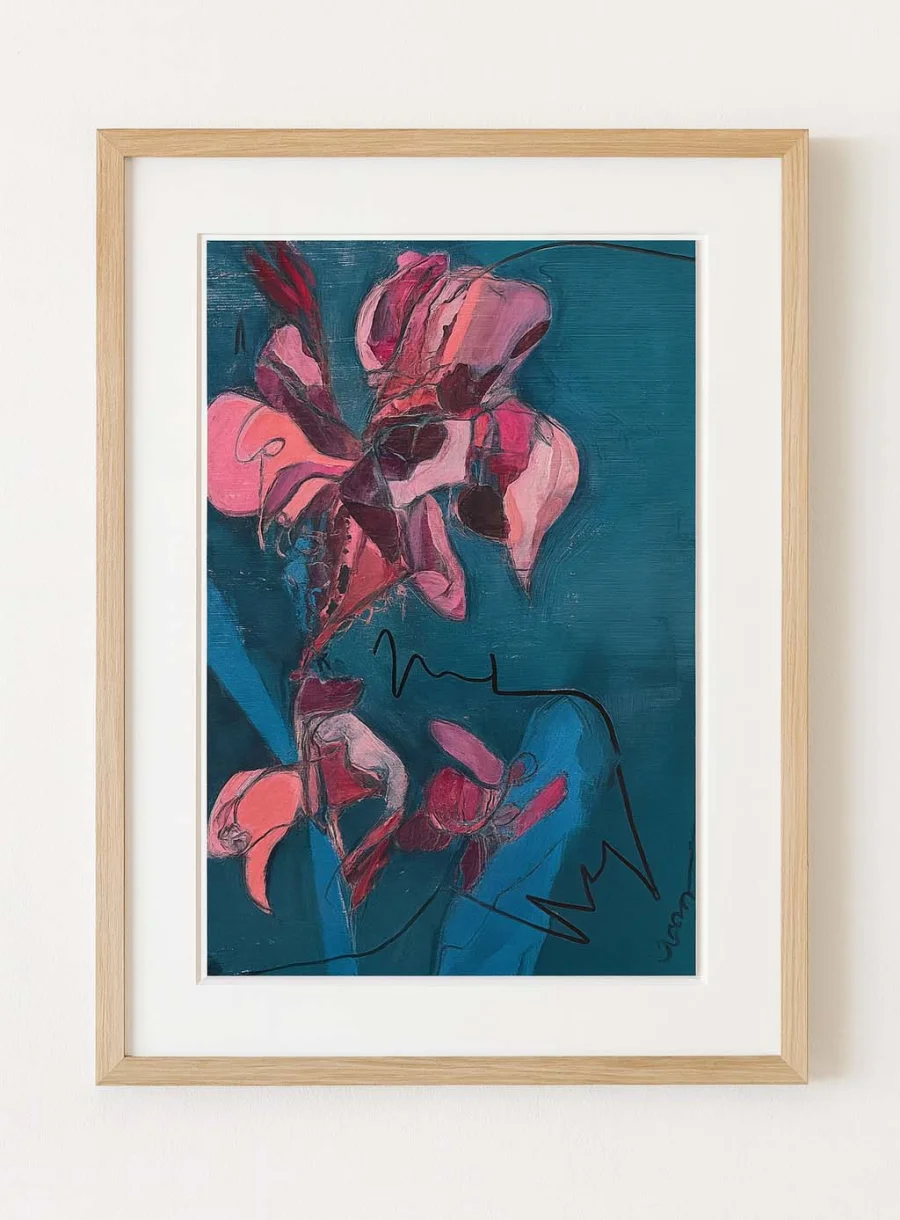 Canna 2
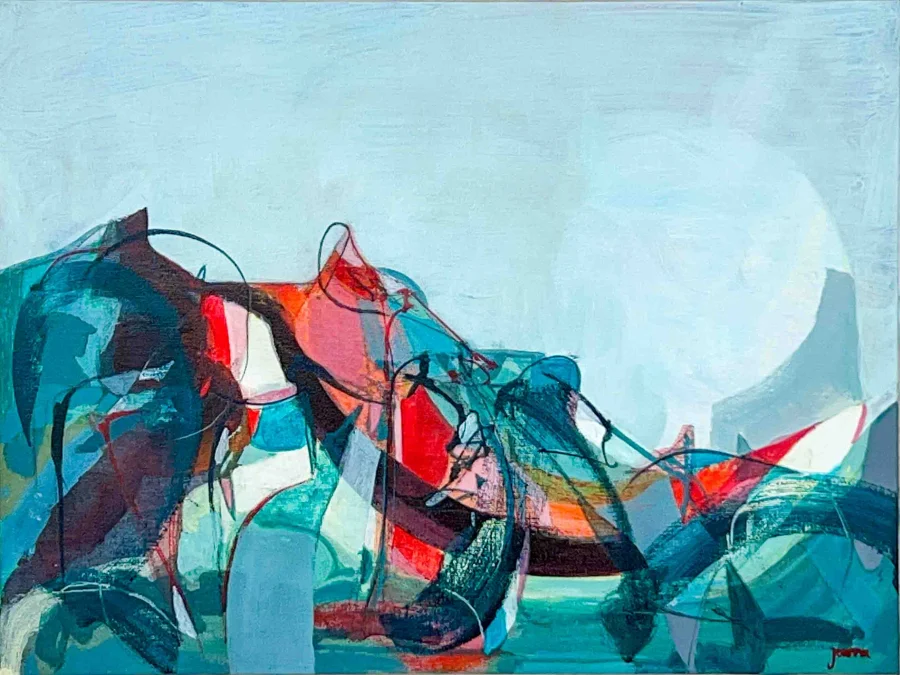 Accattapane Geometrica
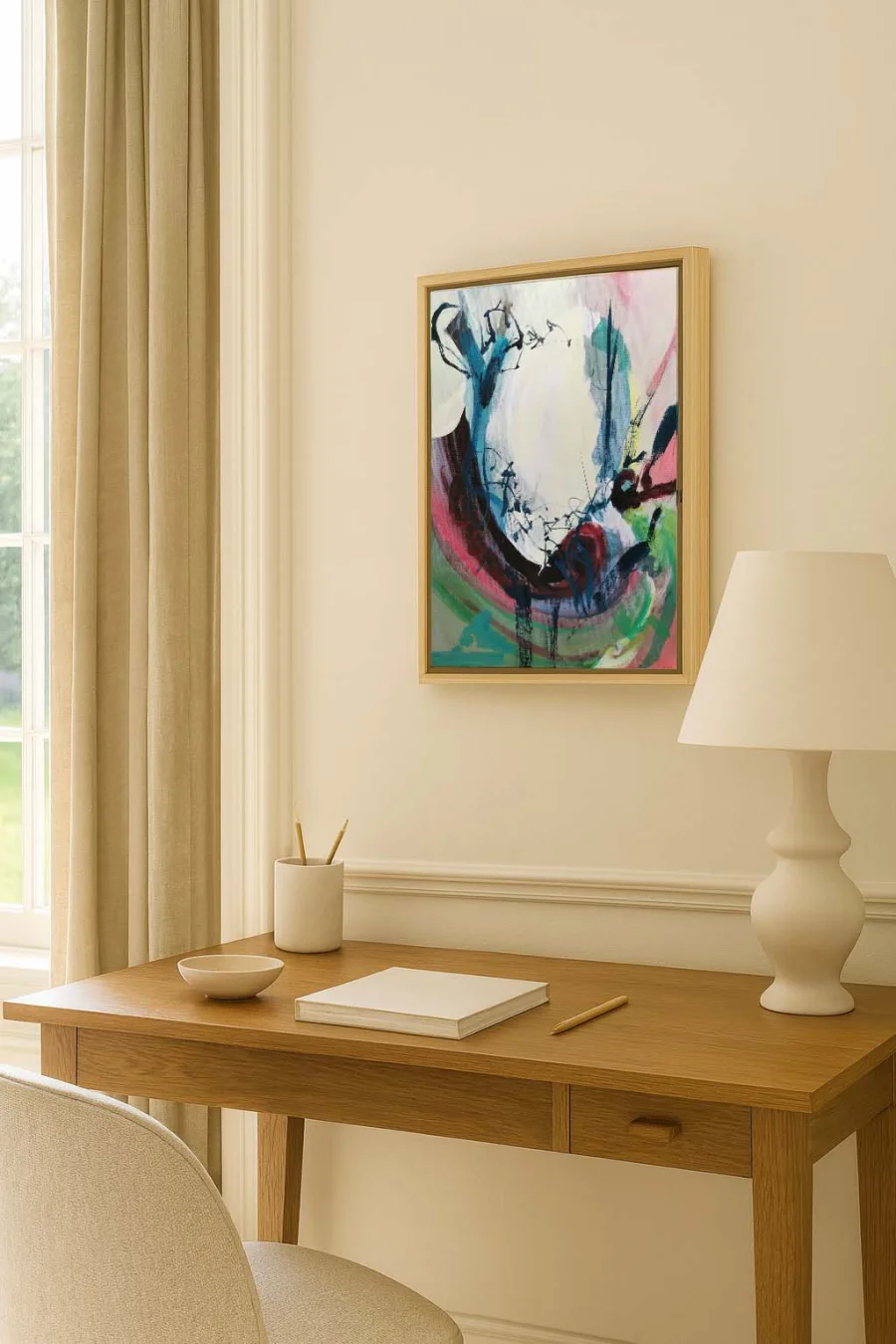 Oliva Lunae
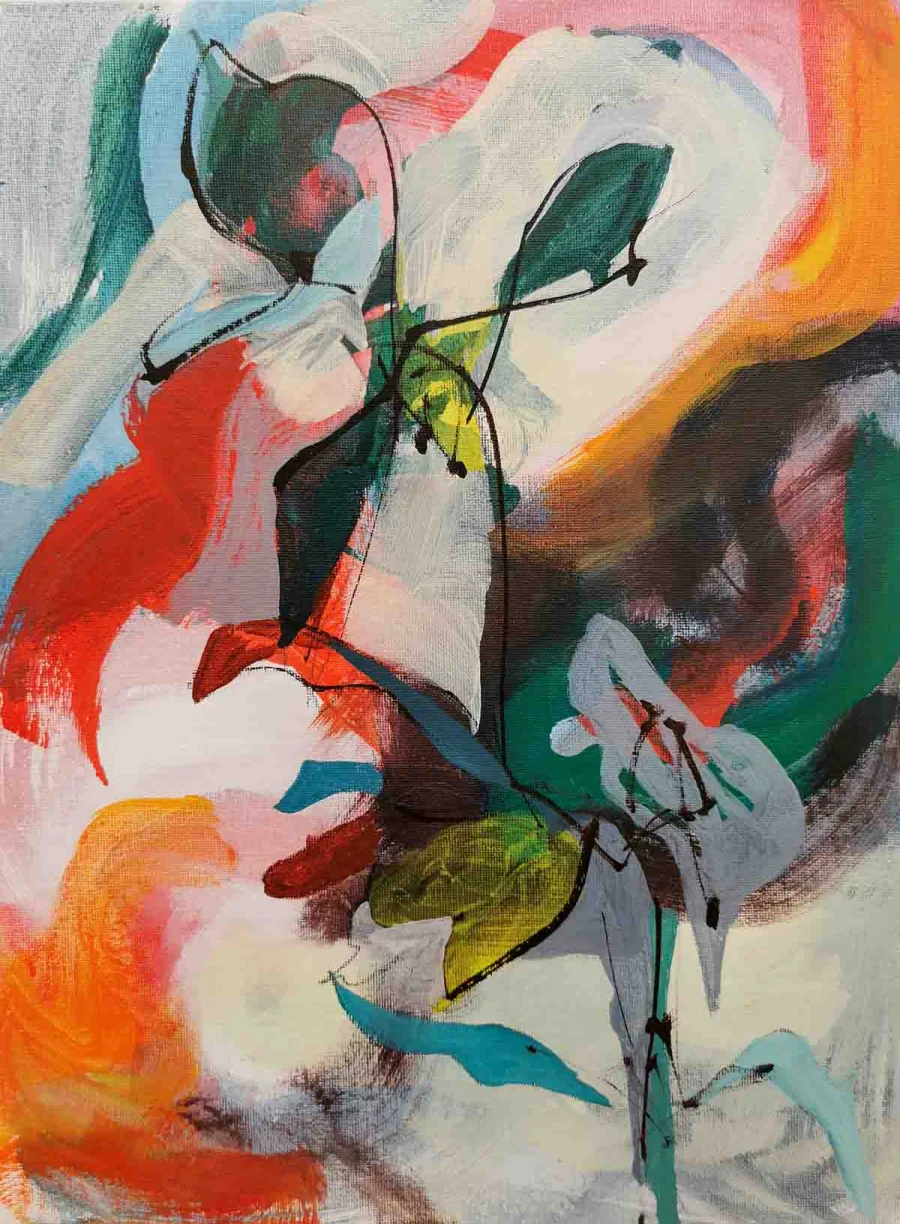 Persicum Lignum Nubes
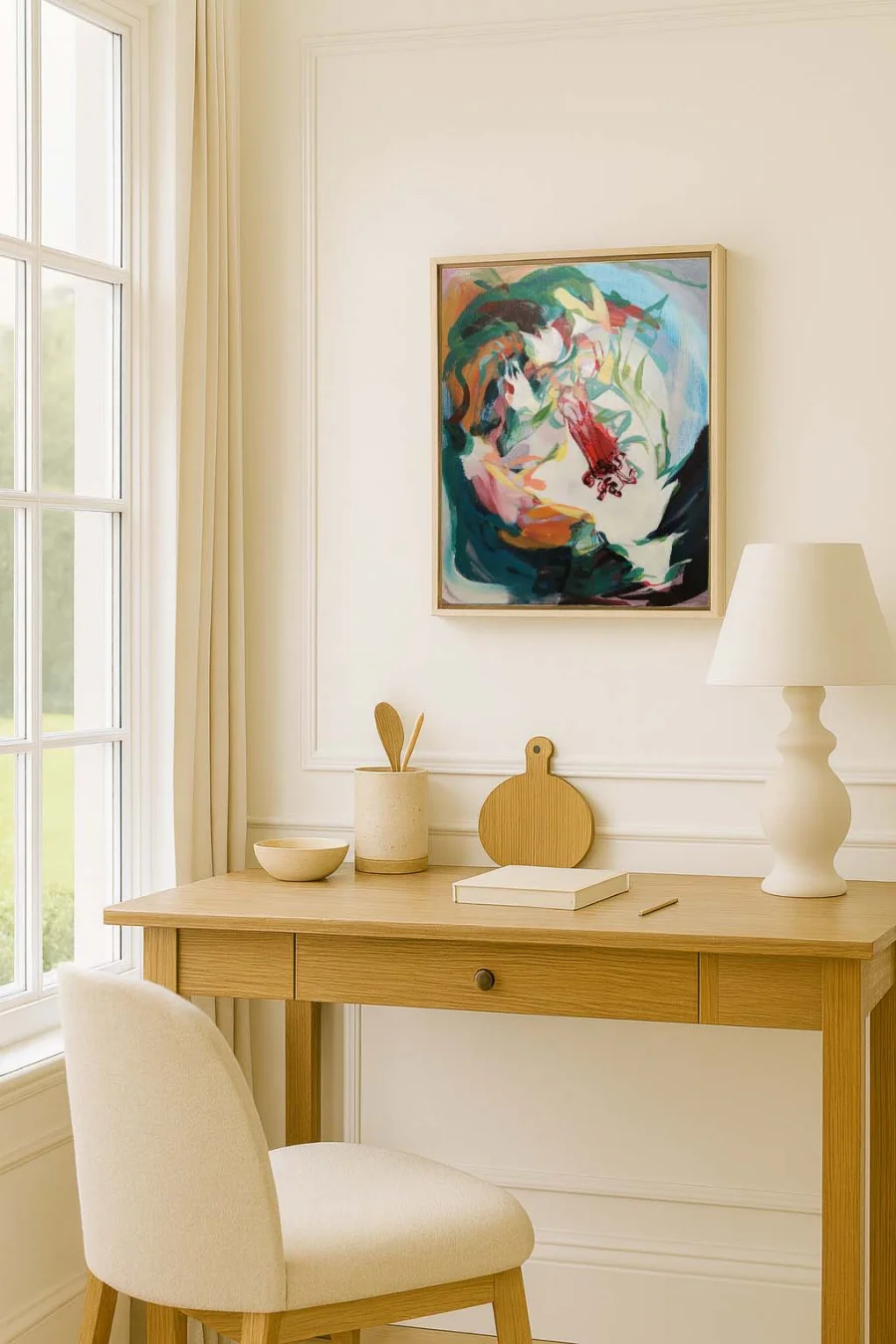 Citrus Cavum Albus
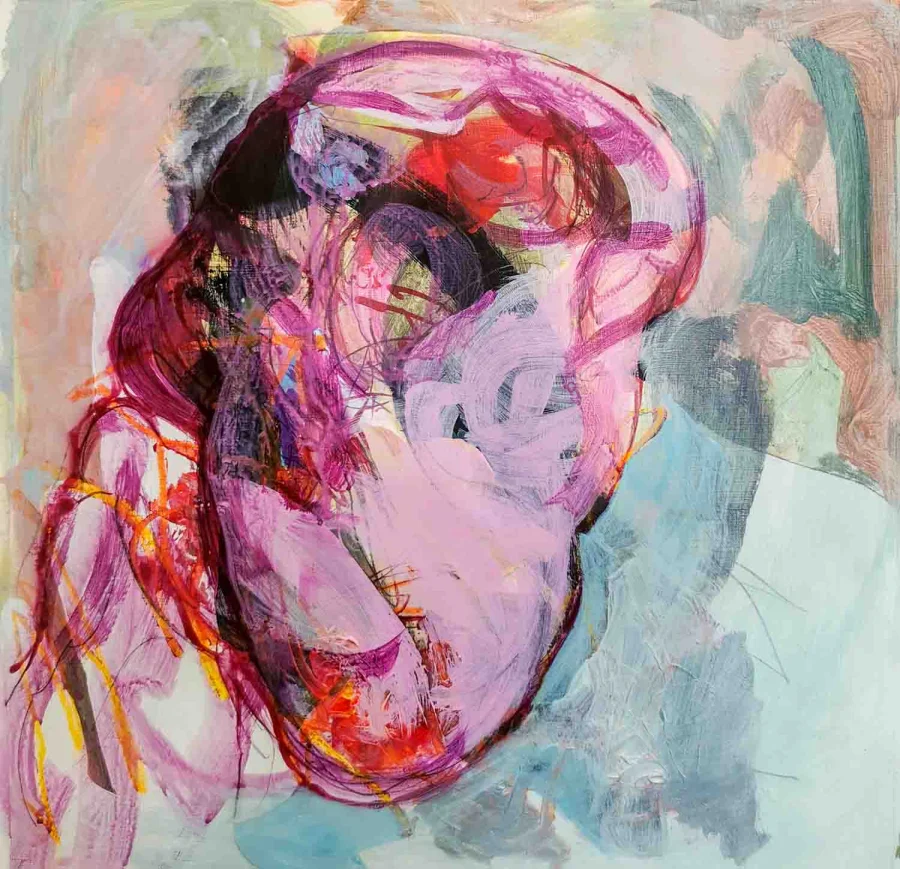 The Couple 1
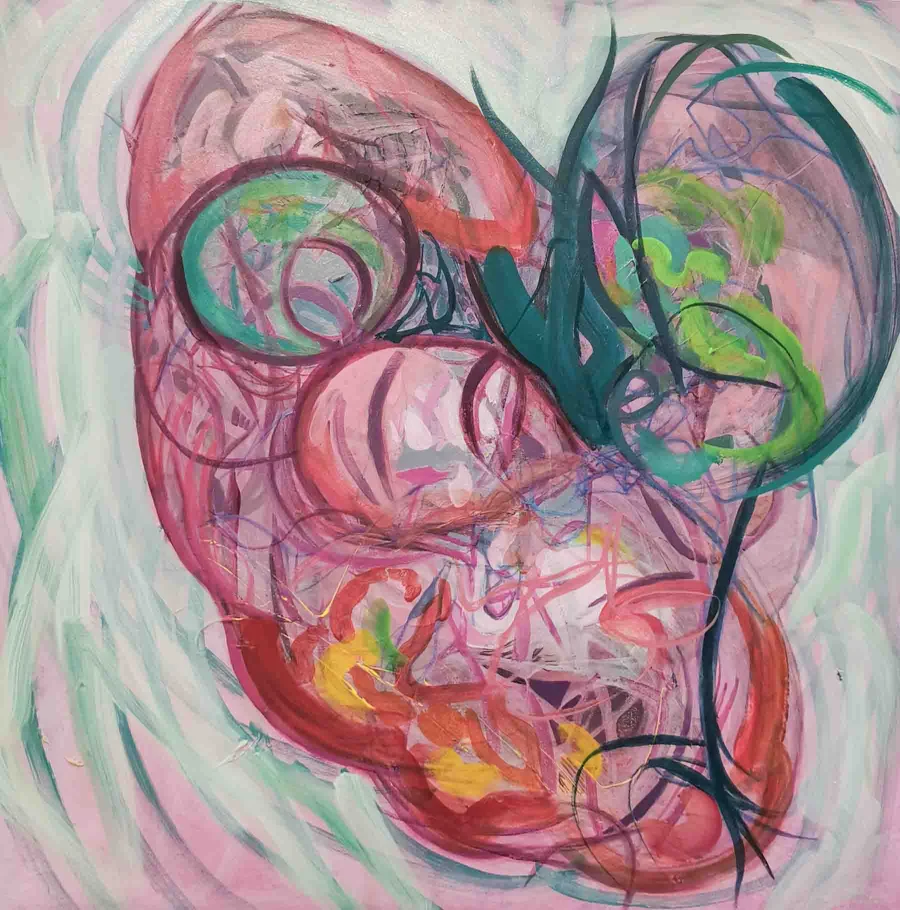 The Couple 2
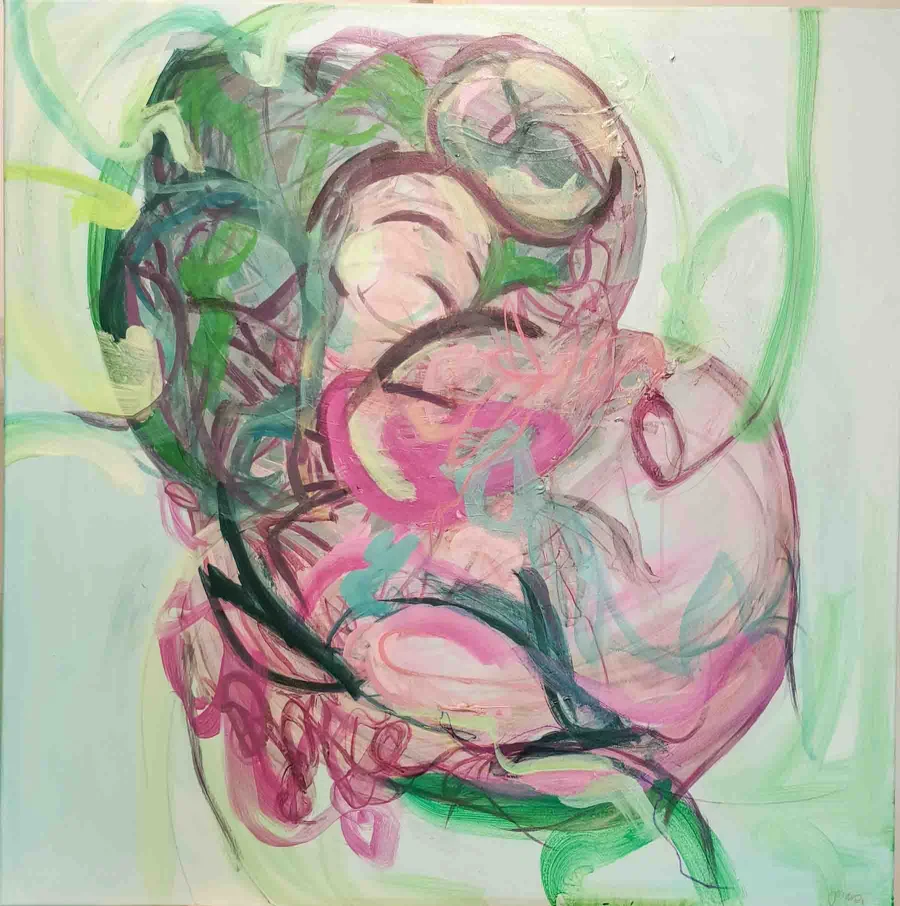 The Couple 3
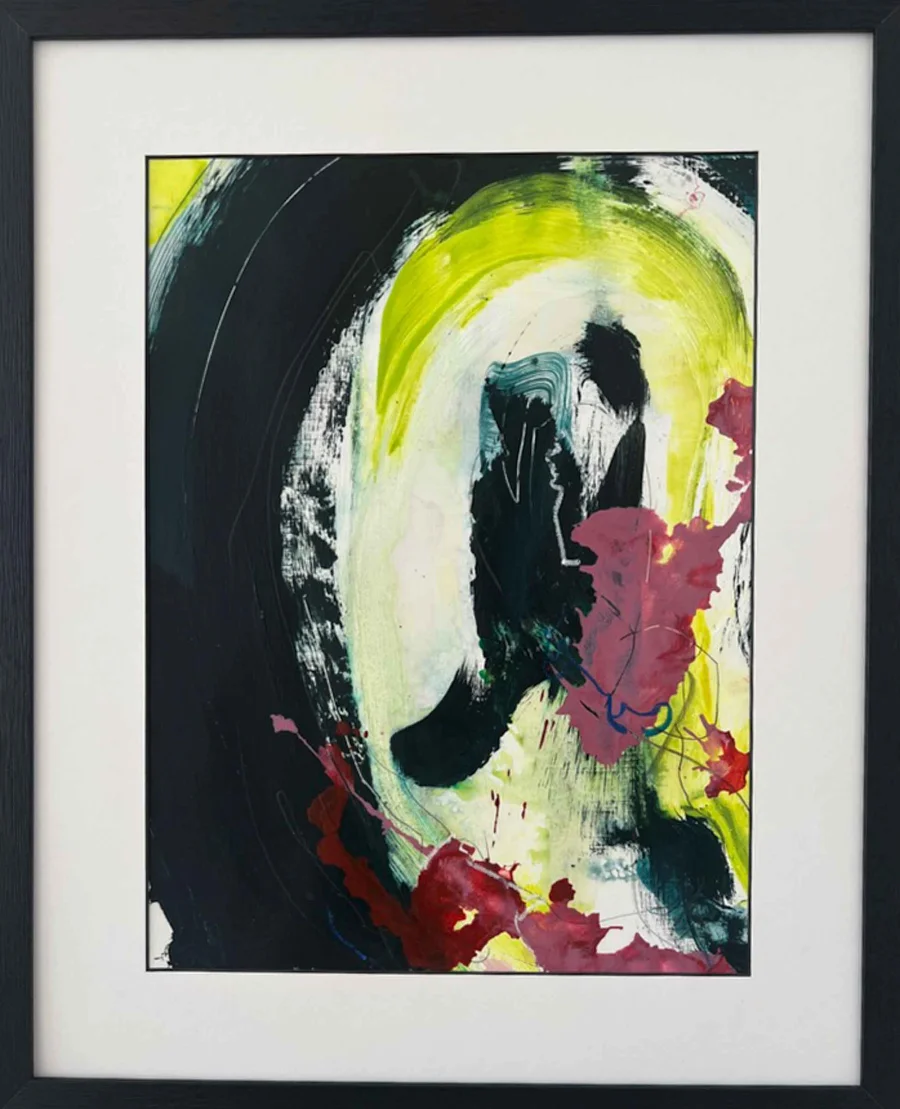 The Spring 1
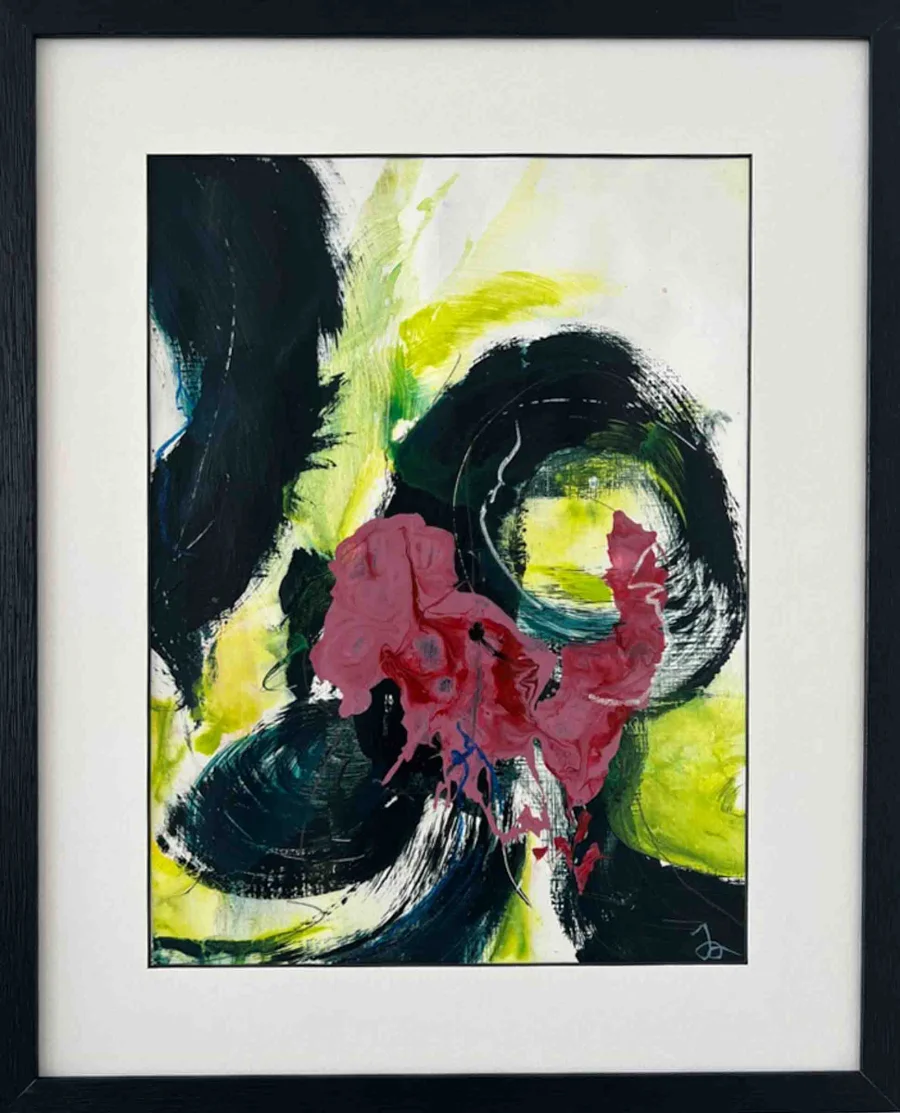 The Spring 2
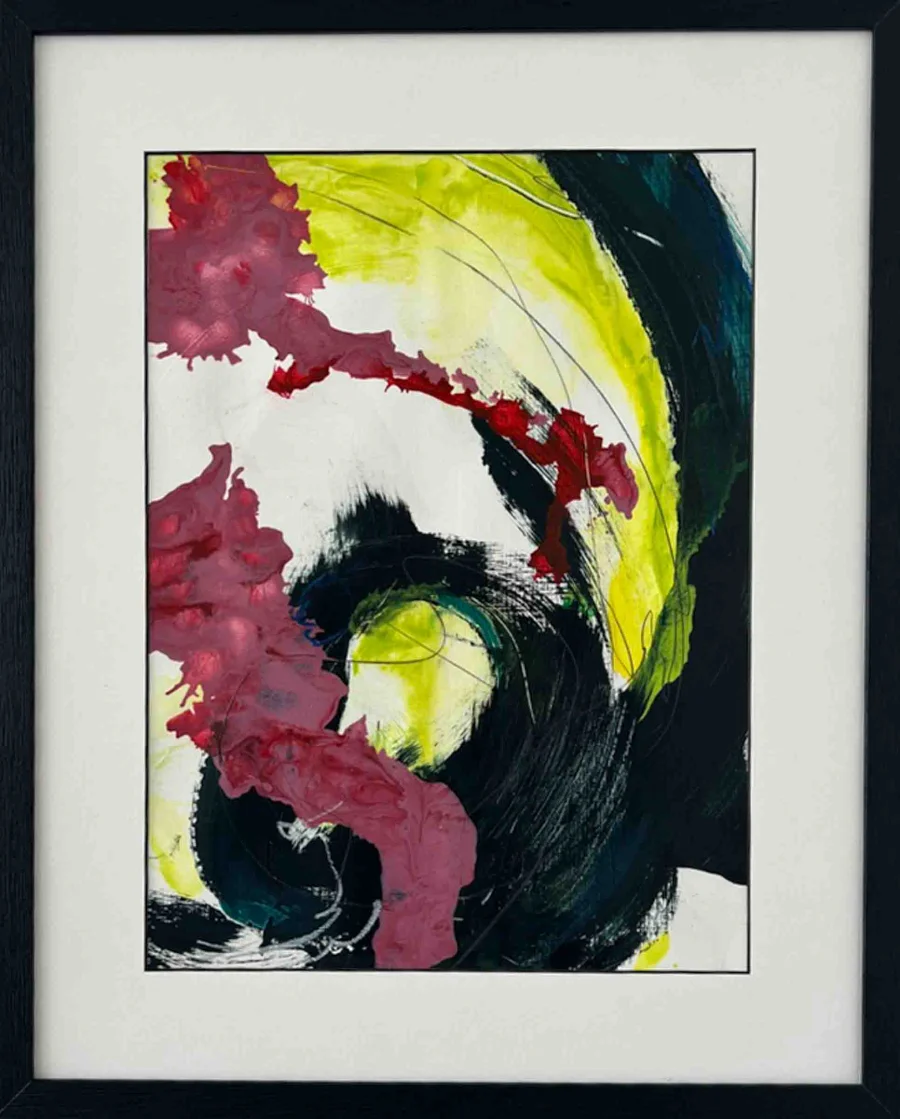 The Spring 3
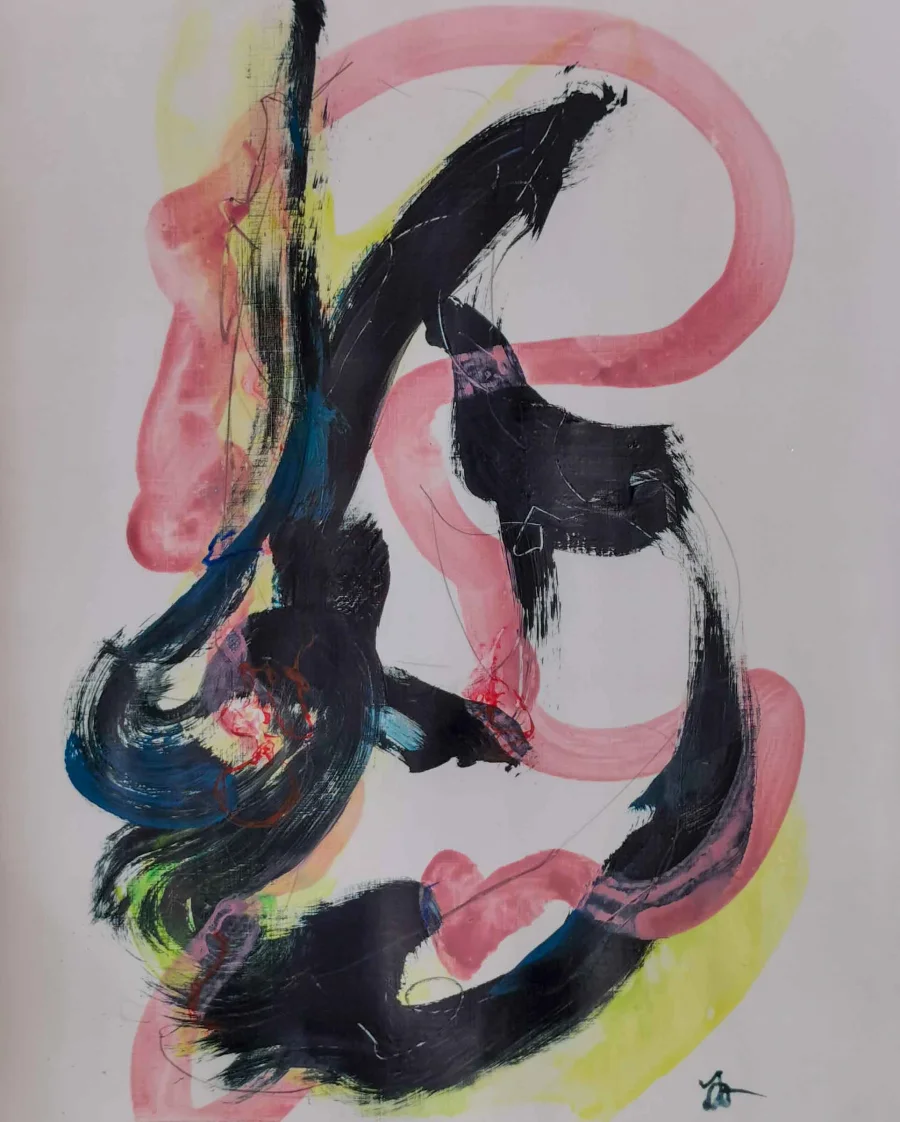 The Dance 1
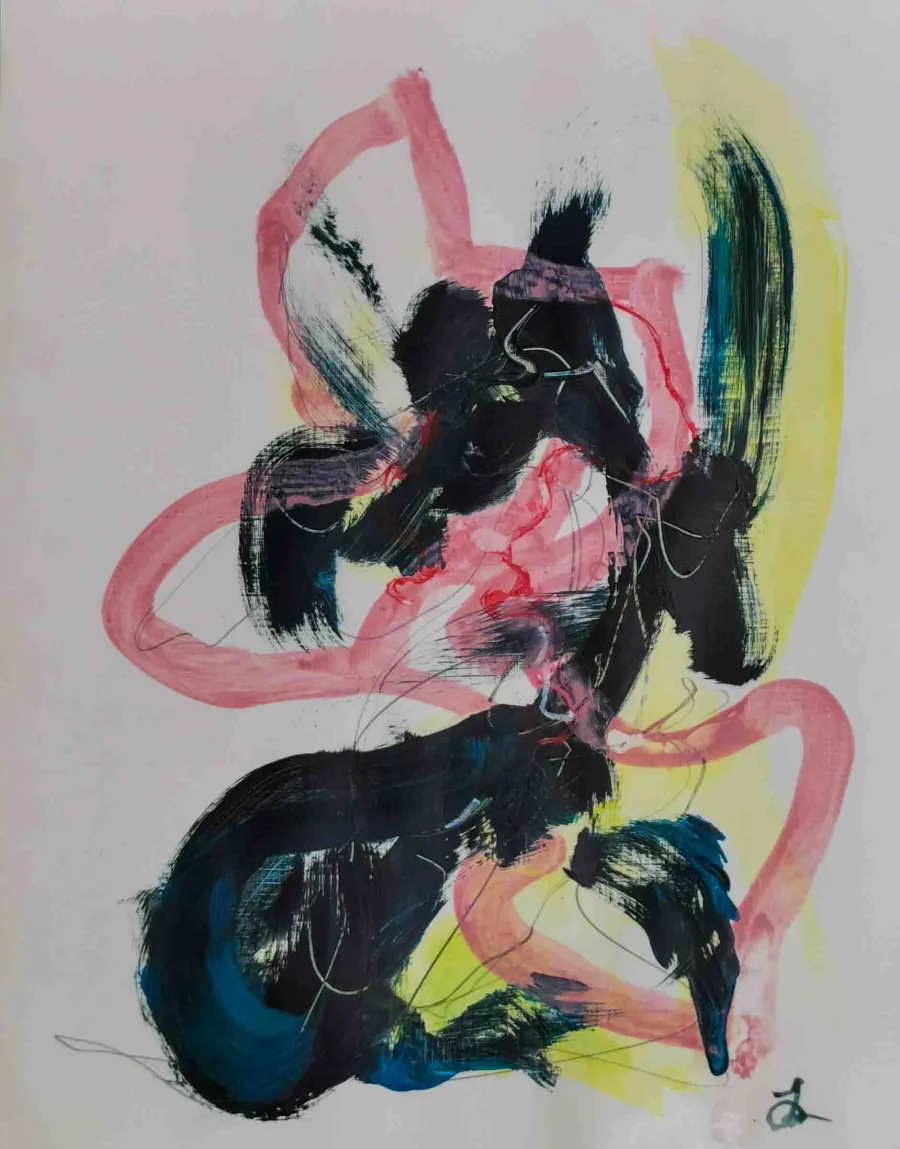 The Dance 2
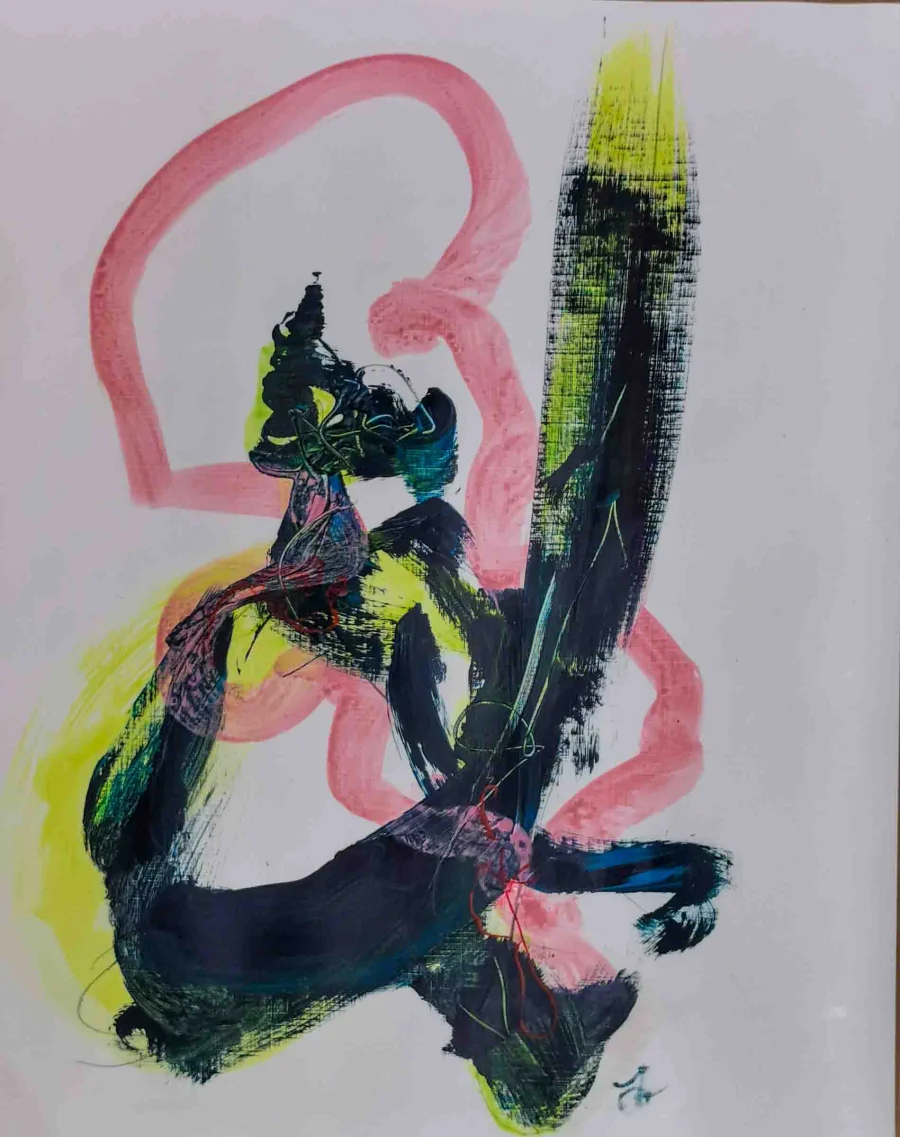 The Dance 3
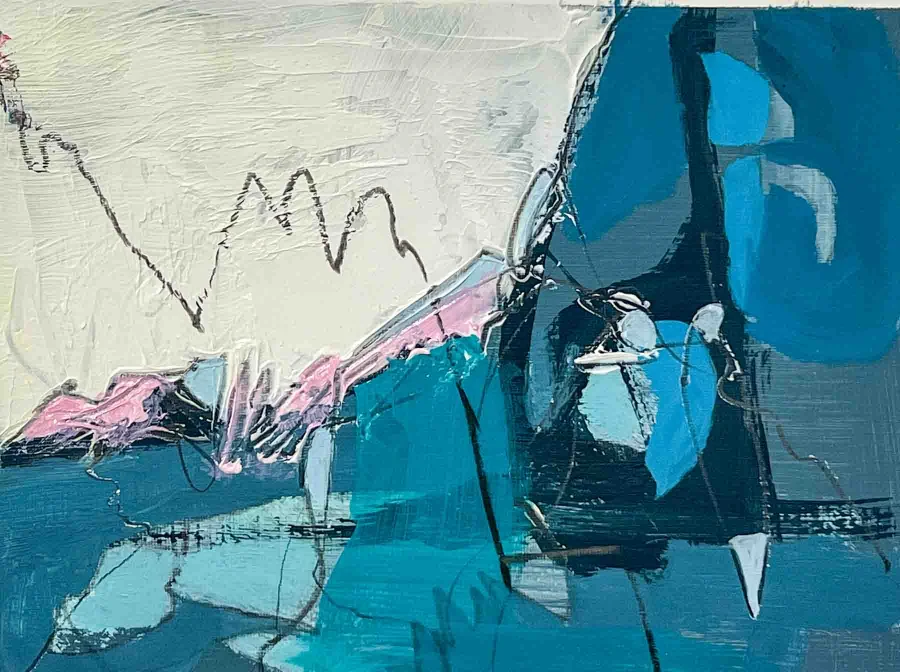 Mountain Mark 1
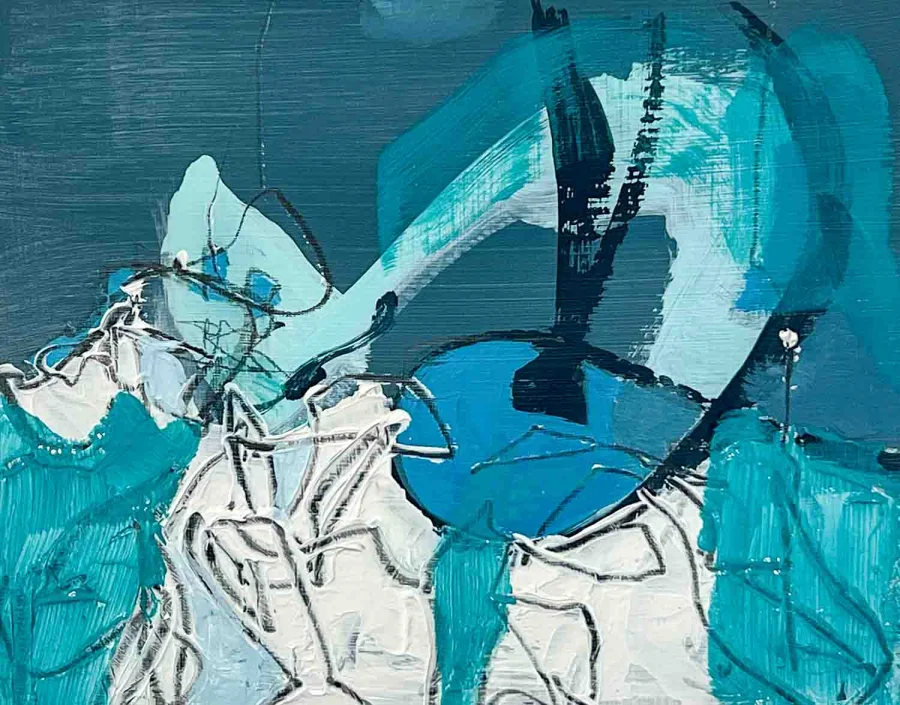 Mountain Mark 2
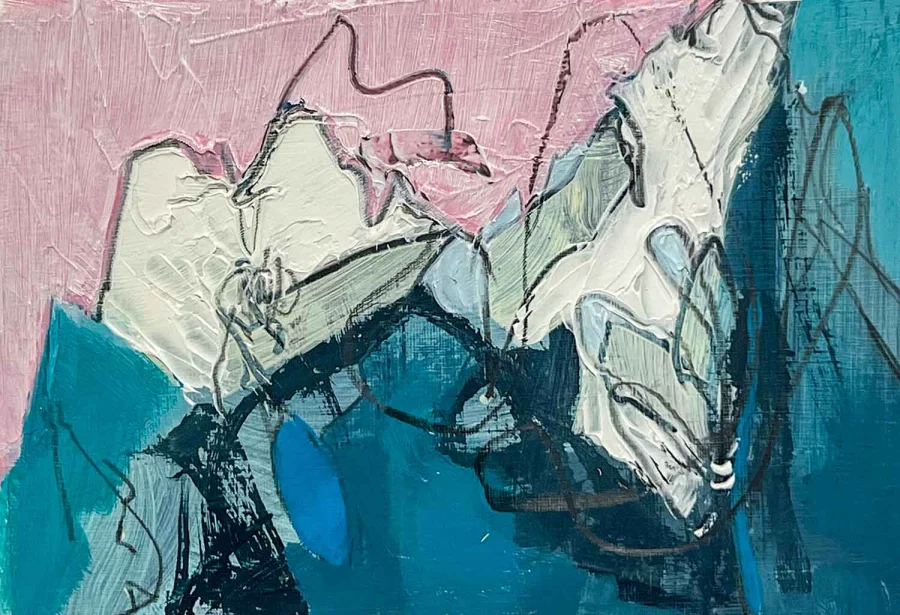 Mountain Mark 4
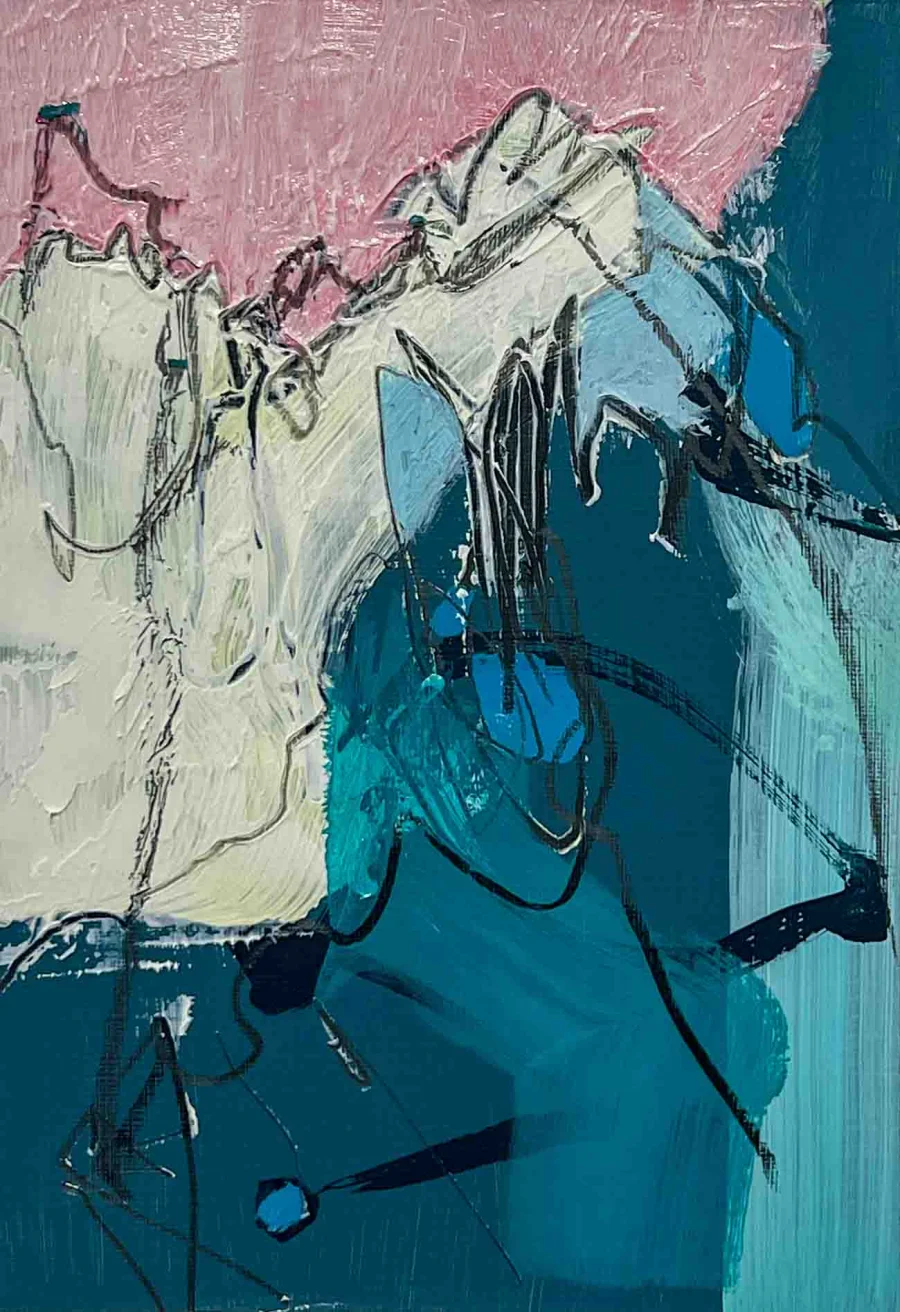 Mountain Mark 3
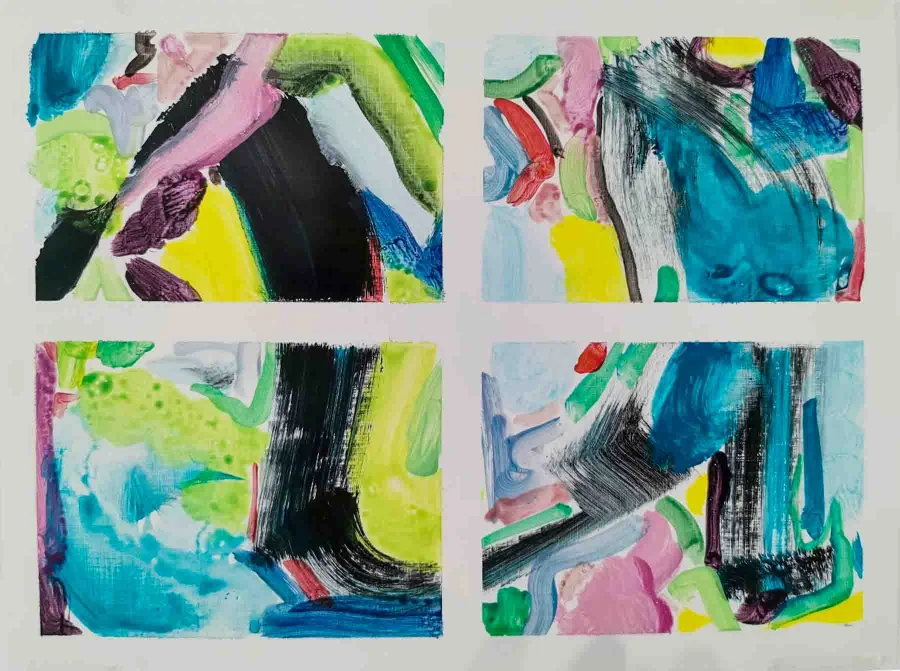 Colour 3
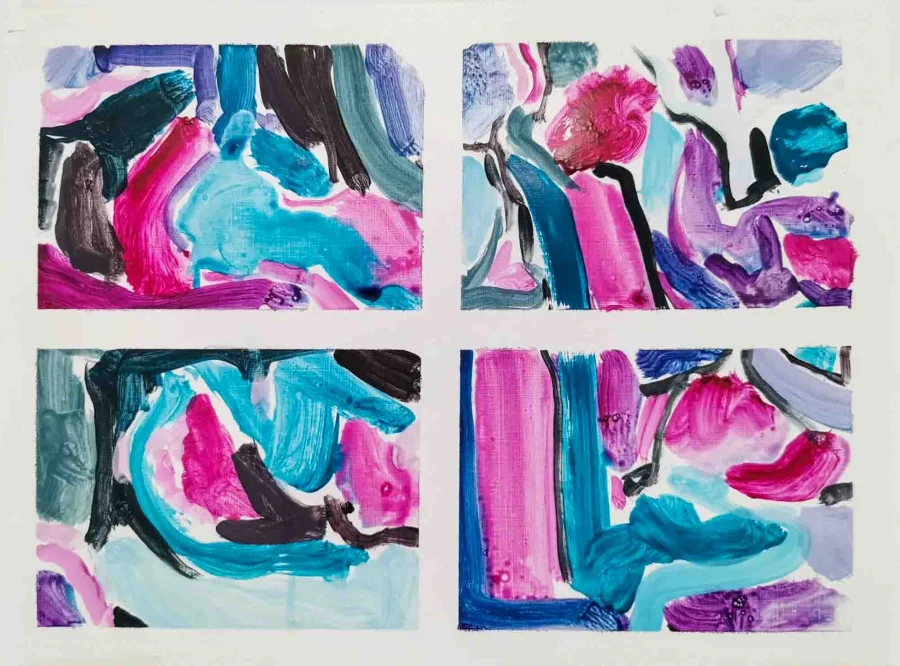 Colour 4
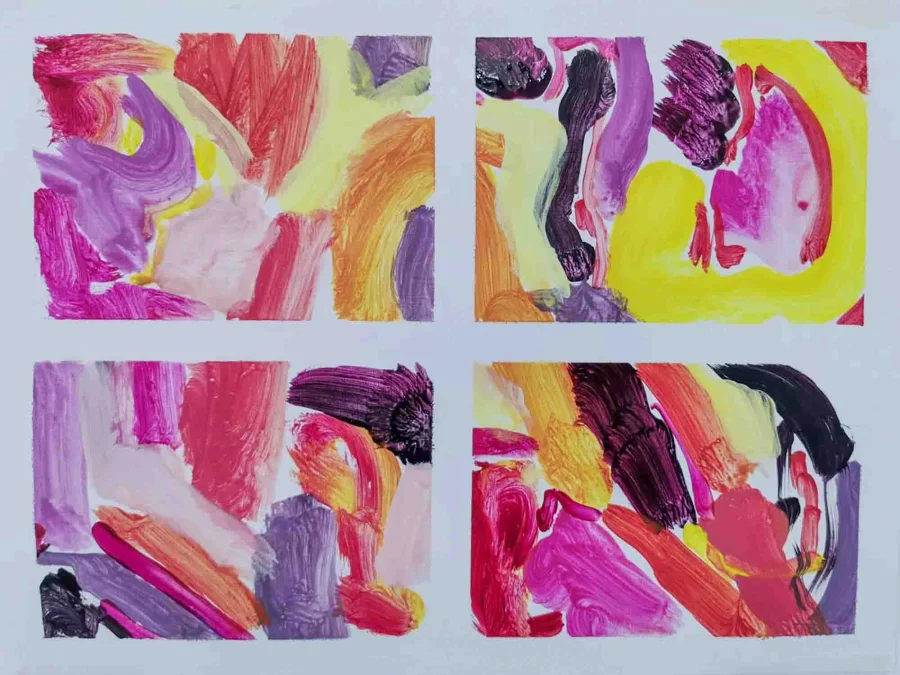 Colour 5
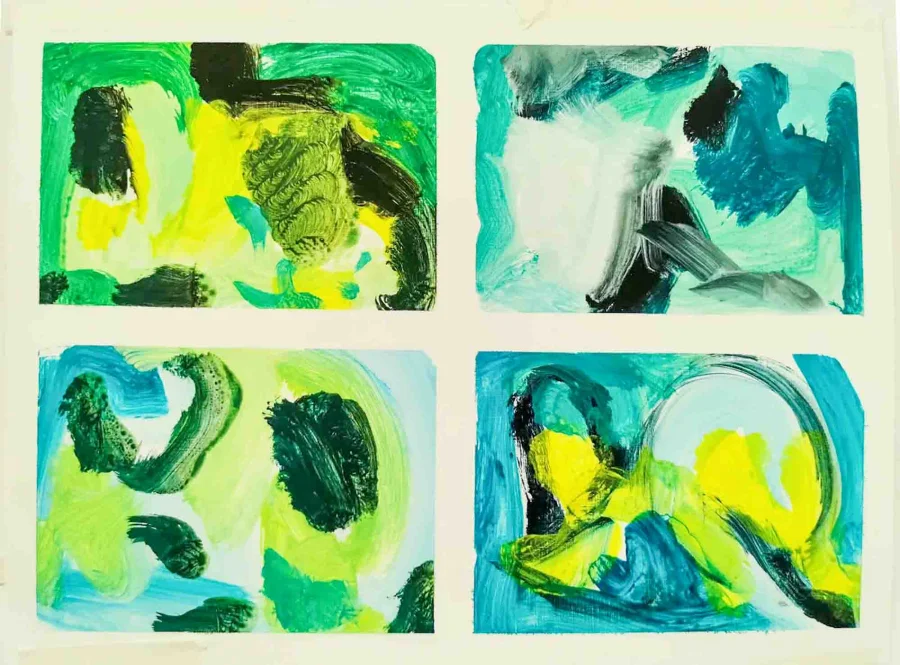 Colour 6
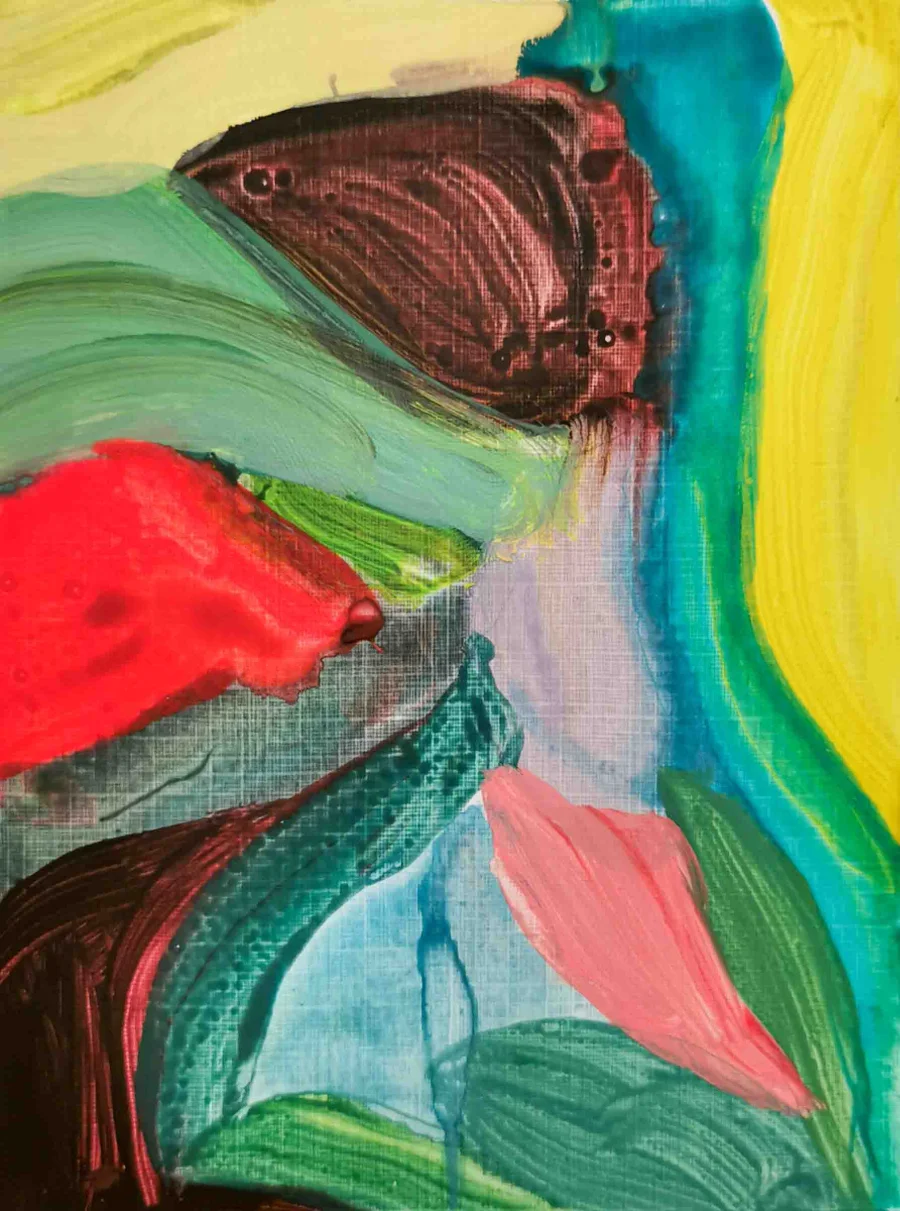 Colour 1
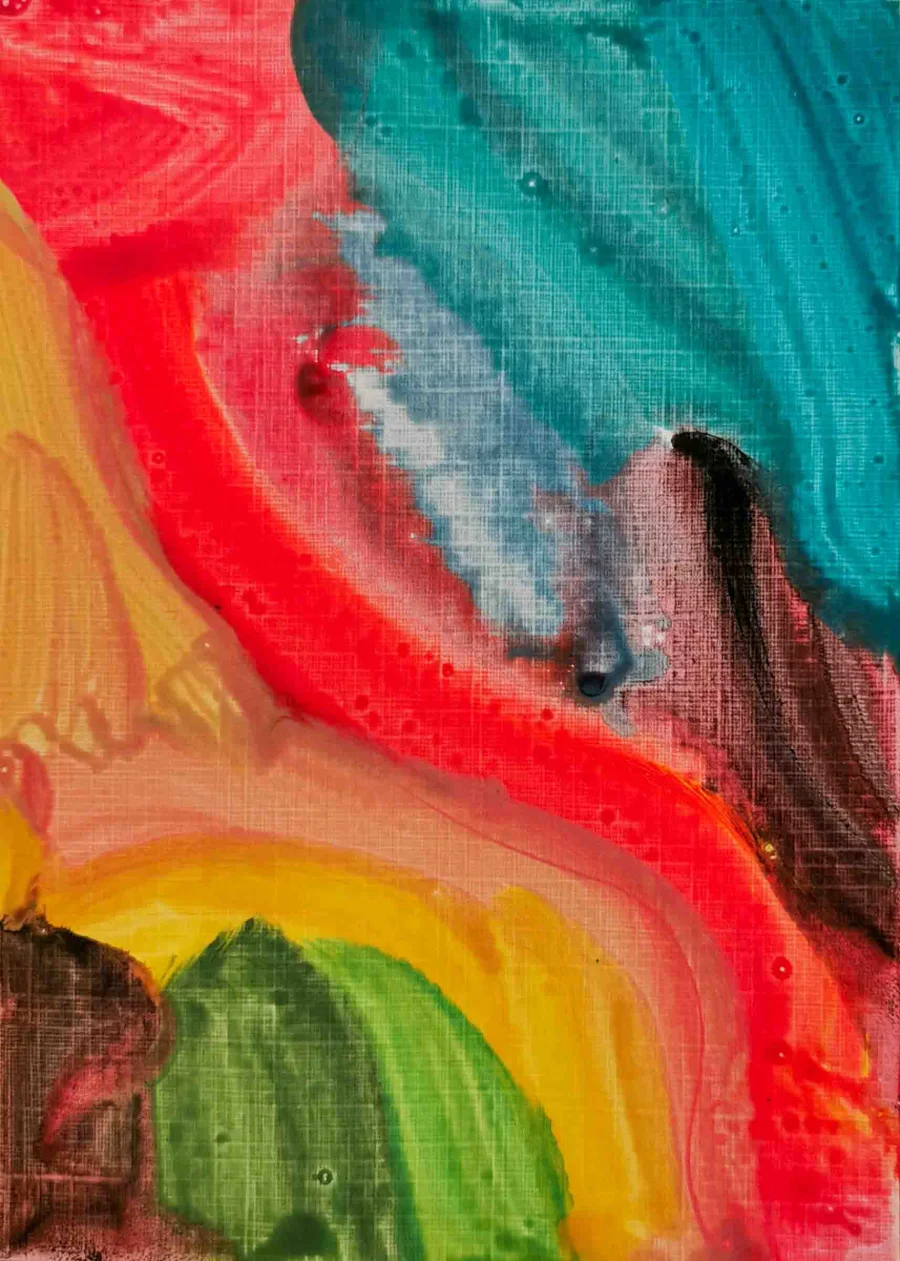 Colour 2
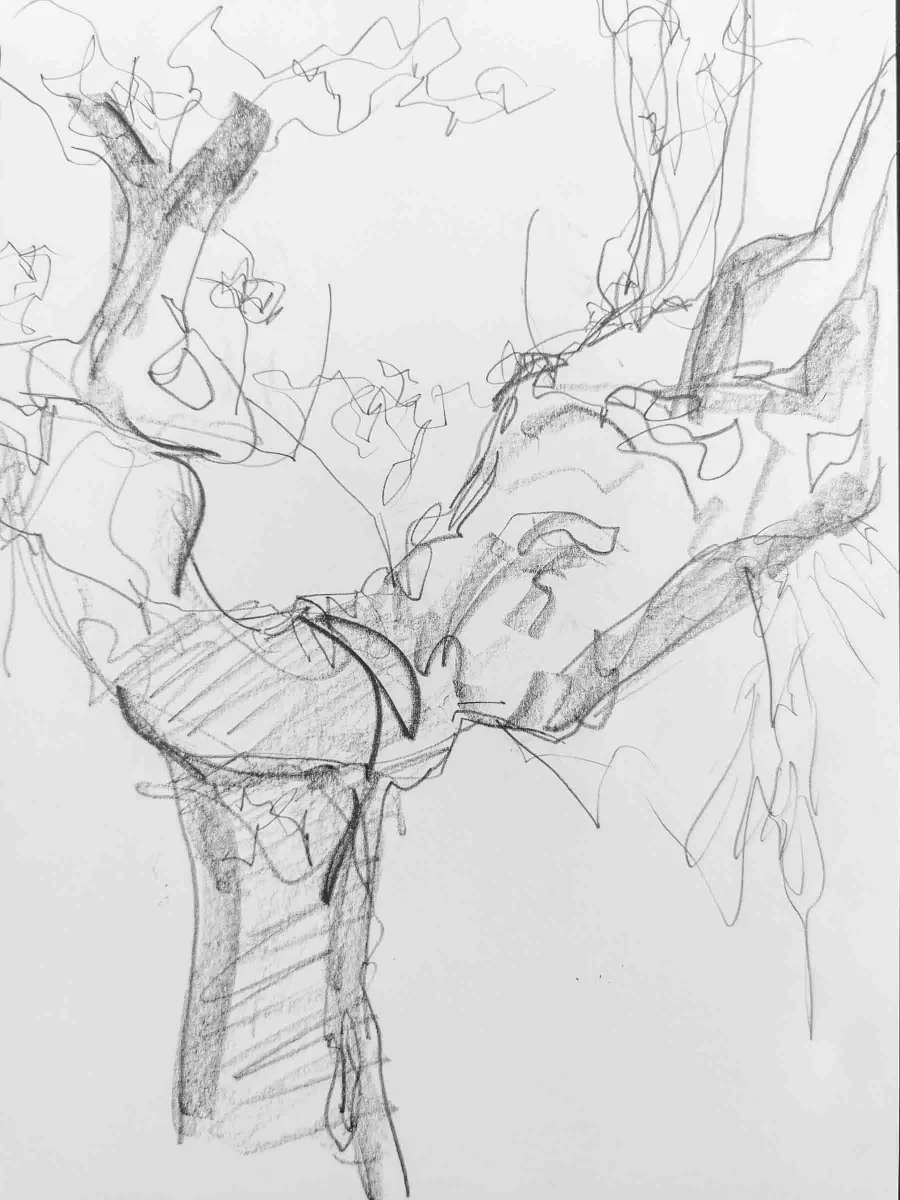 Drawing 1
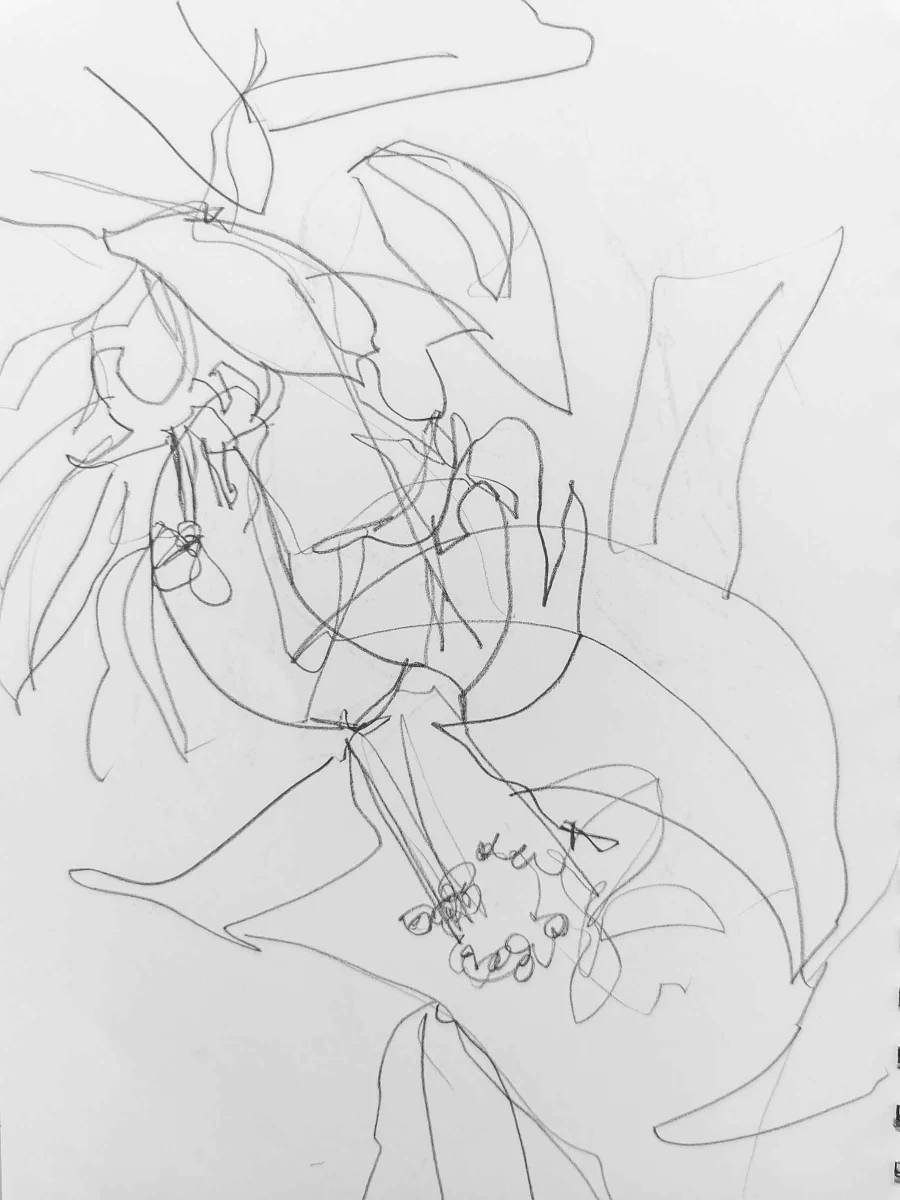 Drawing 2
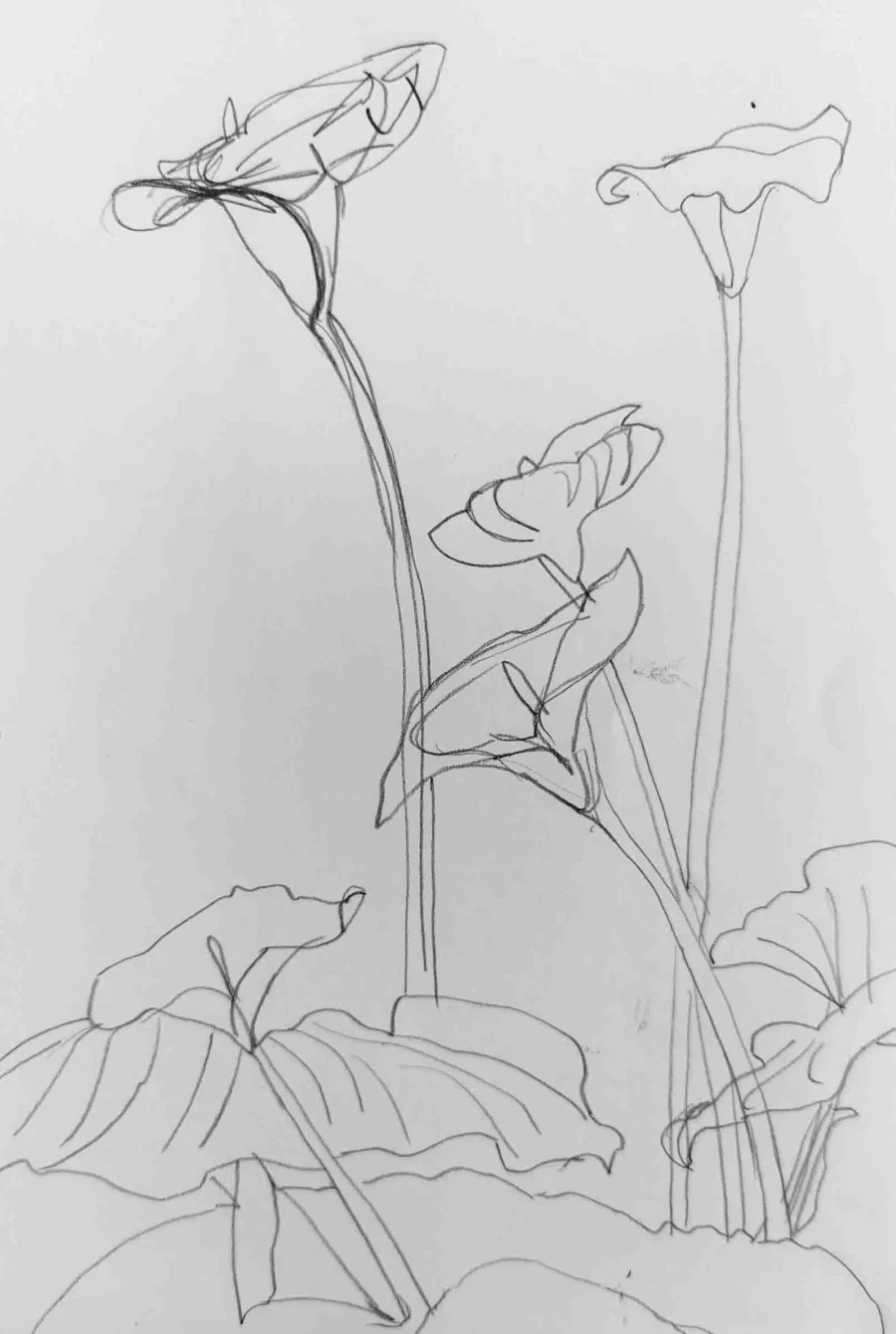 Drawing 3
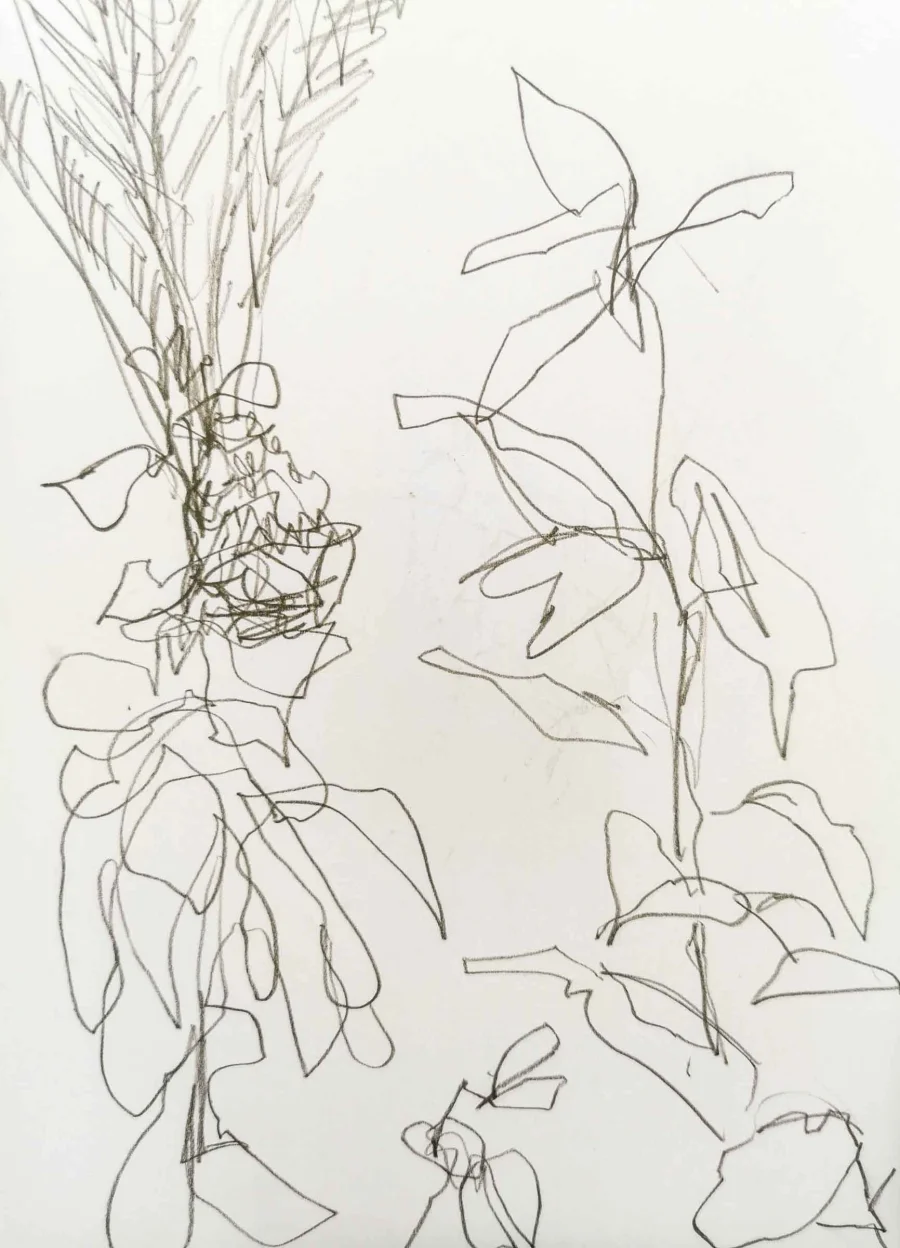 Drawing 4
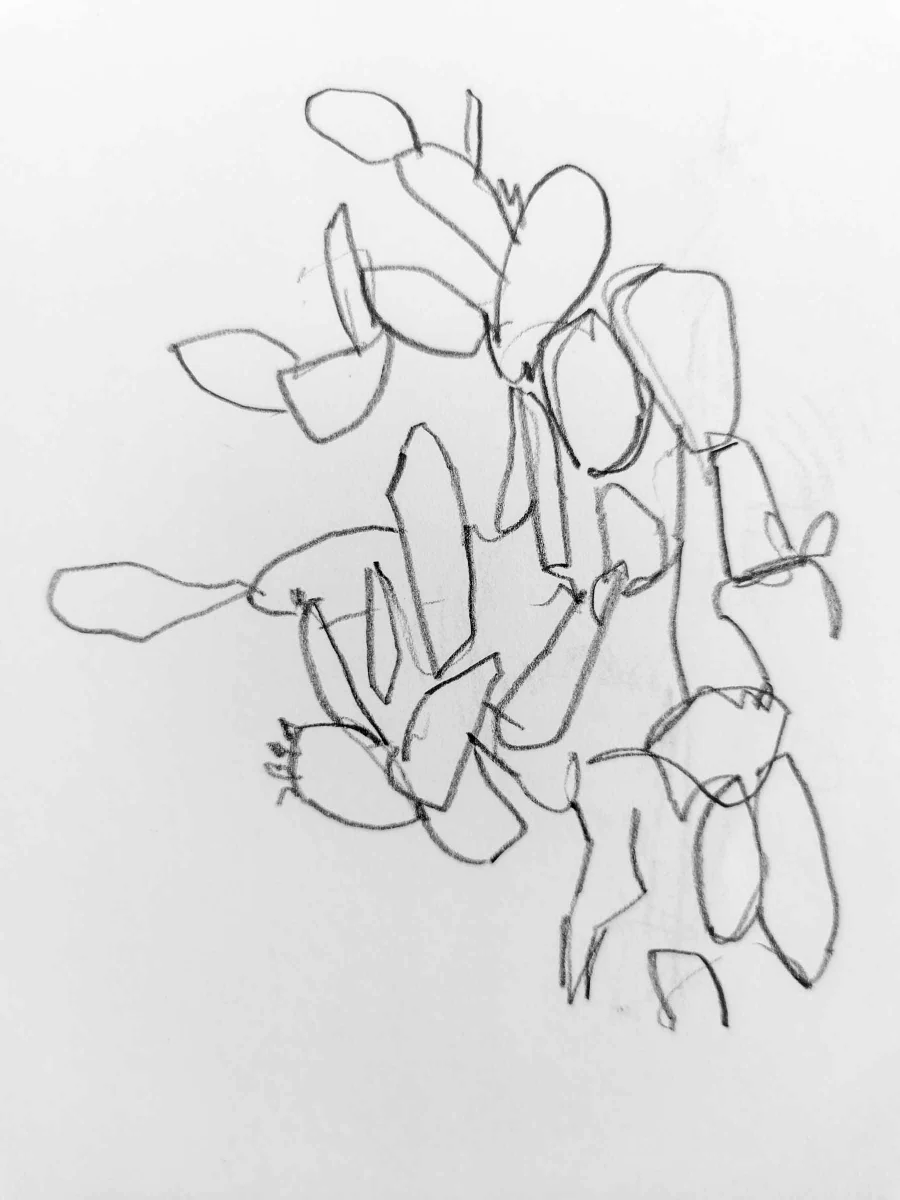 Drawing 5